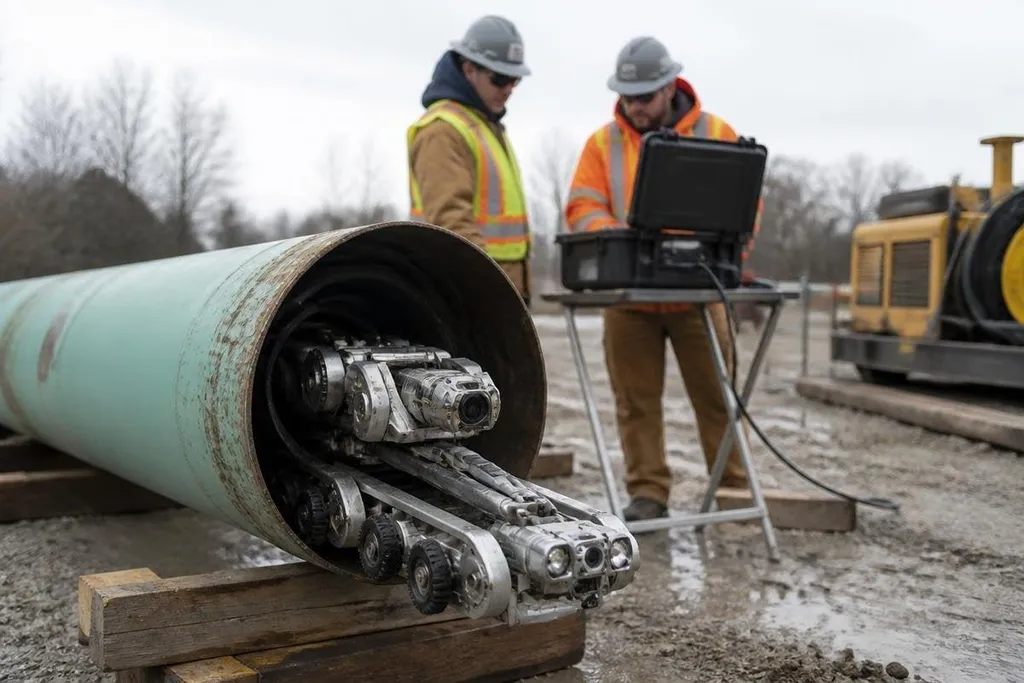
1. Introduction to Technology and Its Significance
In an age characterized by rapid advances and transformative shifts, understanding the role of Technology has never been more crucial. Technology, at its core, embodies the methods and processes used by societies to create goods and provide services, influencing our daily lives in countless ways. It encompasses a vast array of processes and systems that drive innovation, efficiency, and new possibilities. The significance of Technology in society cannot be understated; it shapes economies, influences social interactions, and dramatically alters the way we approach challenges.
1.1 What is Technology?
Technology can be defined as the practical application of scientific knowledge for practical purposes, especially in a way that can be reproduced consistently. It includes everything from basic tools and devices to complex systems and platforms that intertwine with humanity's evolution. In essence, Technology serves as the bridge that connects theoretical knowledge with practical applications, enabling advancements across diverse fields such as medicine, engineering, and information technology.
1.2 Historical Overview of Technology Development
The development of Technology has a storied history that parallels human civilization. From the invention of the wheel and the harnessing of fire to the emergence of the internet and artificial intelligence, each technological milestone has paved the way for social and economic progress. The agricultural revolution marked a significant leap, allowing communities to sustain larger populations. The industrial revolution harnessed mechanization, drastically shifting labor dynamics and production scales. Recent developments in digital technologies are accelerating these changes further, leading us into an era dominated by information and connectivity.
1.3 Importance of Technology in Daily Life
Today, Technology is embedded in nearly every aspect of our daily existence. It shapes how we communicate, learn, work, and even entertain ourselves. The convenience afforded by smartphones has transformed our communication habits; online education platforms have democratized learning opportunities; and innovations in healthcare Technology have made significant impacts on treatments and patient outcomes. Furthermore, businesses leverage Technology to optimize processes, enhance customer experiences, and gain competitive advantages, showcasing its central role in both personal and professional environments.
2. Types of Technology in Today’s World
As we explore the multifaceted nature of Technology, it is helpful to categorize it into distinct types, each focusing on specific applications and impacts. This section outlines three primary types: Information Technology, Manufacturing Technology, and Communication Technology.
2.1 Information Technology
Information Technology (IT) revolves around the manipulation and management of data and information through computers, software, and telecommunications. IT supports organizational operations, contributes to decision-making processes, and enables the sharing of information across networks. Data analytics, cybersecurity, cloud computing, and database management are just a few sectors within IT that exemplify its diverse capabilities.
2.2 Manufacturing Technology
Manufacturing Technology pertains to the machinery and processes used to convert raw materials into finished products. This category includes automated systems, robotics, 3D printing, and advanced manufacturing methodologies like lean and agile manufacturing. The evolution of manufacturing Technology has resulted in improved efficiency, reduced waste, and enhanced product quality, leading to greater profitability for companies.
2.3 Communication Technology
Communication Technology encompasses the tools and platforms that facilitate the exchange of information. This includes everything from traditional telephony to cutting-edge social media platforms. The rise of the internet has revolutionized Communication Technology, enabling instantaneous connectivity and information dissemination worldwide. The impact of these technologies on social dynamics, political movements, and business strategies cannot be understated, as they fundamentally alter interpersonal and societal interactions.
3. Innovations in Technology: Recent Trends and Developments
The landscape of Technology is ever-evolving, with new innovations emerging regularly that reshape industries and societal structures. Below, we delve into some of the most notable trends and developments in recent years.
3.1 Breakthroughs in AI and Machine Learning
Artificial Intelligence (AI) and Machine Learning (ML) are at the forefront of technological innovation. These fields utilize algorithms and vast data sets to create systems that can learn and self-improve over time. Applications range from personal assistants like AI-driven chatbots to predictive analytics in business and healthcare settings. AI's ability to process and analyze large volumes of data more accurately than humans leads to enhanced decision-making capabilities and the automation of mundane tasks.
3.2 Emerging Technologies in Health and Medicine
The field of health and medicine is experiencing revolutionary changes due to advancements in Technology. Telemedicine, wearable health devices, and personalized medicine are just a few examples. These innovations enable more accessible healthcare services, empower patients with real-time monitoring, and promote tailored treatments based on individual genetic profiles. Consequently, these technologies lead to improved patient outcomes and increased efficiency within healthcare systems.
3.3 Renewable Energy Technologies
As the world confronts the challenges posed by climate change, renewable energy technologies are emerging as critical contributors to sustainable development. Innovations in solar, wind, and hydroelectric power are transforming how energy is generated and consumed. Furthermore, advancements in energy storage technologies, like lithium-ion batteries, are improving the viability of renewable sources, making them more competitive with traditional fossil fuels. These changes are essential in reducing global carbon footprints and promoting a shift toward greener energy solutions.
4. Challenges and Ethical Considerations in Technology
While the benefits of Technology are substantial, it also presents several challenges and ethical dilemmas. Understanding these issues is essential for fostering a responsible approach to innovation and implementation.
4.1 Data Privacy and Security Issues
In an increasingly digital world, concerns regarding data privacy and security have escalated. As organizations collect and store user data on a massive scale, the potential for breaches and misuse of information increases. Individuals and institutions must navigate complex regulations and ethical considerations surrounding data collection, storage, and consent. Developing robust cybersecurity measures and fostering transparency are imperative for protecting sensitive information and maintaining public trust.
4.2 The Digital Divide and Accessibility Concerns
Despite advancements in Technology, a significant digital divide persists globally. Unequal access to Technology exacerbates existing socioeconomic disparities, preventing underprivileged populations from fully participating in the digital age. Addressing accessibility issues is crucial to ensure that advancements benefit everyone, not just a select few. This encompasses not only physical access to devices and the internet but also digital literacy and skills training to empower individuals.
4.3 Impact of Technology on Employment and Economy
The integration of Technology into various sectors brings both opportunities and disruptions to the workforce. Automation and AI are transforming job roles and redefining the nature of work. While some positions become obsolete, new ones are created, requiring reskilling and upskilling of the workforce. Balancing these shifts and ensuring that workers are equipped for the jobs of the future is essential for economic stability and growth.
5. The Future of Technology: What to Expect
Looking ahead, the trajectory of Technology is poised to evolve dramatically. Anticipating forthcoming trends and societal shifts will be key to navigating this complex landscape.
5.1 Future Trends in Technology Innovations
We can expect to see the continued convergence of technologies, such as IoT (Internet of Things), AI, and blockchain. As these technologies integrate, they will unlock new capabilities and efficiencies across industries. Quantum computing also holds promise for revolutionizing problem-solving capacity, potentially addressing challenges beyond the reach of classical computing. The trend toward personalized experiences powered by data analytics will also persist, shaping consumer expectations in various sectors.
5.2 Societal Changes Driven by Advancements in Technology
Technological advancements will likely lead to significant societal shifts, including new social norms and cultural practices. The way people work, communicate, and engage with one another is already changing as digital platforms become entrenched in everyday life. Additionally, as society increasingly relies on Technology for daily tasks, considerations around ethics, mental health, and human interaction become even more critical.
5.3 Preparing for a Technology-Driven Future
To effectively navigate the future landscape shaped by Technology, it is crucial for individuals, organizations, and governments to embrace agility and adaptability. Continuous learning, collaboration across sectors, and proactive policies will be crucial in preparing for change. Investment in education and workforce development will be fundamental to ensure that future generations are equipped with the skills necessary to thrive in a technology-driven economy.