
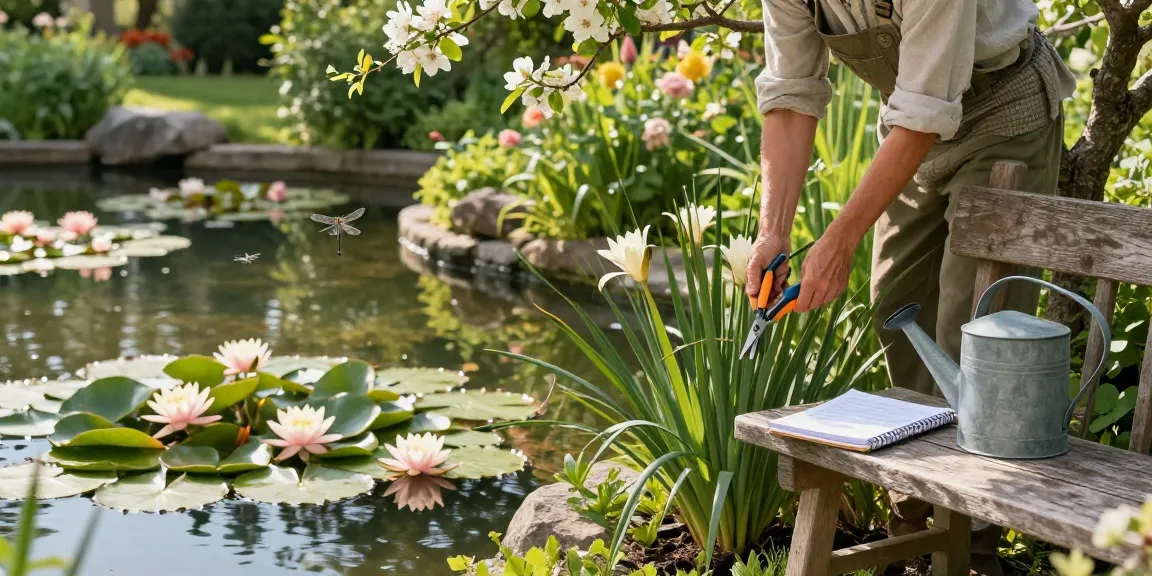
Understanding Water Lilies: Varieties and Characteristics
Water lilies are enchanting aquatic plants that add beauty and tranquility to any pond. Renowned for their broad leaves and stunning flowers, these plants not only enhance the aesthetics of garden ponds but also provide numerous benefits to the local ecosystem. If you’re considering bringing water lilies into your garden, understanding their varieties and growth requirements is essential. When exploring options, Water Lilies offer a diverse range of species suitable for any pond environment.
What Are Water Lilies?
Water lilies belong to the Nymphaea genus, which consists of about 60 species of freshwater flowering plants. These plants are typically found in shallow waters, thriving in ponds and lakes with plenty of sunlight. Water lilies have unique adaptations that allow them to float on the water’s surface, with leaves that can vary from circular to heart-shaped. The flowers of water lilies can be striking in color, including shades of white, pink, yellow, and blue, making them a popular choice for decorative gardening.
Different Types of Water Lilies
There are two primary categories of water lilies: hardy and tropical. Hardy water lilies (Nymphaea) are suited for temperate climates and can survive winter conditions. They typically bloom during the summer months and have a variety of colors and forms. Tropical water lilies (Nymphaea spp.), on the other hand, thrive in warmer climates and require warmer water temperatures to grow. These plants tend to produce larger flowers and more vibrant colors, providing an exotic touch to any pond.
Key Features and Growth Requirements
Water lilies are characterized by their floating leaves and stunning flowers that rise above the water’s surface. They thrive in full sunlight, requiring at least six hours of direct sunlight daily. For optimal growth, water lilies prefer water depths ranging from 12 to 24 inches, depending on the variety. They benefit from nutrient-rich soil and need regular fertilization to support their robust growth. Additionally, temperature play a significant role; hardy species can tolerate colder climates, while tropical varieties flourish in warmer waters.
The Benefits of Incorporating Water Lilies in Your Pond
Integrating water lilies into your pond offers numerous advantages beyond aesthetics. These plants are essential contributors to a balanced aquatic ecosystem, supporting both plant and animal life.
Enhancing Aesthetic Appeal
The visual impact of water lilies is profound. Their large, colorful blooms create focal points that attract the eye and draw attention to the serene qualities of a pond. When combined with other aquatic plants, water lilies can create intricate layers of color and texture, enhancing the overall landscape of your garden.
Supporting Local Wildlife
Water lilies play a critical role in supporting local ecosystems by providing habitat and food for various wildlife. Their leaves offer shelter for fish and amphibians, while their blooms attract pollinators such as bees and butterflies. Additionally, they serve as breeding grounds for insects, creating a biodiverse environment that benefits all pond inhabitants.
Improving Water Quality
These aquatic plants also contribute to the health of pond ecosystems by improving water quality. Water lilies absorb excess nutrients and provide oxygen to the water, which can prevent algal blooms. Their extensive root systems help stabilize the substrate, preventing erosion and promoting clear water conditions that are essential for a thriving aquatic environment.
Common Challenges in Growing Water Lilies
While growing water lilies can be rewarding, it’s essential to be aware of potential challenges that may arise. Understanding how to manage these obstacles can lead to a successful and thriving pond.
Pests and Disease Management
Water lilies can be susceptible to certain pests and diseases, such as aphids, snails, and fungal infections. Regular inspection of the plants is crucial. You can manage pests with organic solutions such as insecticidal soap or introduce natural predators like ladybugs. Ensuring proper spacing and air circulation can help prevent disease outbreaks.
Environmental Factors Affecting Growth
Changes in temperature, water levels, and light availability can impact the growth of water lilies. It’s important to monitor your pond’s conditions closely and adjust as necessary. For instance, if the water becomes too shallow or too deep, you may need to reposition your water lilies or adjust the surrounding plants accordingly.
Tips for Overcoming Cultivation Obstacles
To overcome cultivation challenges, consider the following tips:
- Choose the right species for your climate and pond conditions.
- Maintain optimal water levels and clarity by regularly checking and managing the pond’s health.
- Fertilize appropriately to ensure your water lilies have the nutrients they need to thrive.
Best Practices for Maintaining Water Lilies
Proper maintenance is key to ensuring water lilies stay healthy and vibrant throughout their growing season. Here are some best practices to follow.
Optimal Planting Techniques
When planting water lilies, it’s essential to use suitable pots and soil. Use a heavy garden soil mixed with a slow-release fertilizer. This weight helps keep the pots anchored in the pond substrate. Position the plants in water that is 12 to 24 inches deep and ensure they have adequate sunlight exposure for optimal growth.
Water Quality Management
Maintaining good water quality is vital for the health of your water lilies. Regularly check for clear water, appropriate pH levels (between 6.5 and 7.5), and nutrient levels. You may need to implement filtration systems or aeration devices to enhance water quality, particularly in heavily stocked ponds.
Seasonal Care and Maintenance Tips
As seasons change, so do the needs of your water lilies. In late spring, as temperatures rise, begin fertilizing and checking for pests. In the fall, trim back any dead leaves and prepare the plants for winter by reducing fertilization. Hardy water lilies can be left in the pond, while tropical varieties may need to be moved indoors or to a greenhouse.
Future Trends: Water Lilies in 2026 and Beyond
The future of water lilies is promising, with gardening trends evolving towards sustainability and biodiversity. As we look towards 2026, several innovative practices and ecological considerations are shaping how we cultivate these beautiful plants.
Innovative Gardening Techniques
Hydroponic and aquaponic systems are gaining popularity, allowing for the cultivation of water lilies in controlled environments. These techniques not only maximize growth potential but also promote sustainable gardening practices by conserving water and optimizing nutrient delivery.
Water Lily Cultivation in Urban Spaces
As urbanization increases, creating green spaces within cities has become a priority. Water lilies are perfectly suited for urban gardens and rooftop ponds, offering a splash of color and a natural habitat for wildlife in these constrained environments.
Predicted Changes in Pond Ecosystems
Climate change will likely influence how we cultivate water lilies. Adapting to changing weather patterns will require gardeners to be more aware of their local ecosystems and select resilient species that can thrive in varying conditions. Keeping abreast of research on climate-resilient plants will be crucial for the future of pond gardening.
How Do I Care for My Water Lilies?
Water lilies require consistent care, including regular inspection for pests, appropriate fertilization, and ensuring they have the right water conditions to thrive. Routine maintenance will help ensure their health and beauty.
What Are the Best Conditions for Water Lilies?
The best conditions for water lilies include full sun (at least 6 hours of sunlight), nutrient-rich soil, and water depths of 12 to 24 inches. Ensuring these factors will lead to robust growth and blooms.
Can Water Lilies Survive Winter?
Hardy water lilies can survive winter temperatures by going dormant. It’s advisable to trim back any dead foliage in the fall and protect the root system by leaving them submerged in the pond.
Where Should I Plant Water Lilies in My Pond?
Water lilies should be planted in areas of your pond that receive full sunlight and are free from wind exposure. Placing them in 12 to 24 inches of water will maximize their growth potential.
What Are the Most Popular Water Lily Varieties?
Some popular varieties include the ‘Nymphaea ‘Blue Beauty,’ known for its striking blue flowers, and ‘Nymphaea ‘Albert Greenberg,’ which features vivid pink blooms. Selecting the right variety can enhance the beauty of your pond.