Understanding the Importance of a Storage Cabinet
Defining the Storage Cabinet
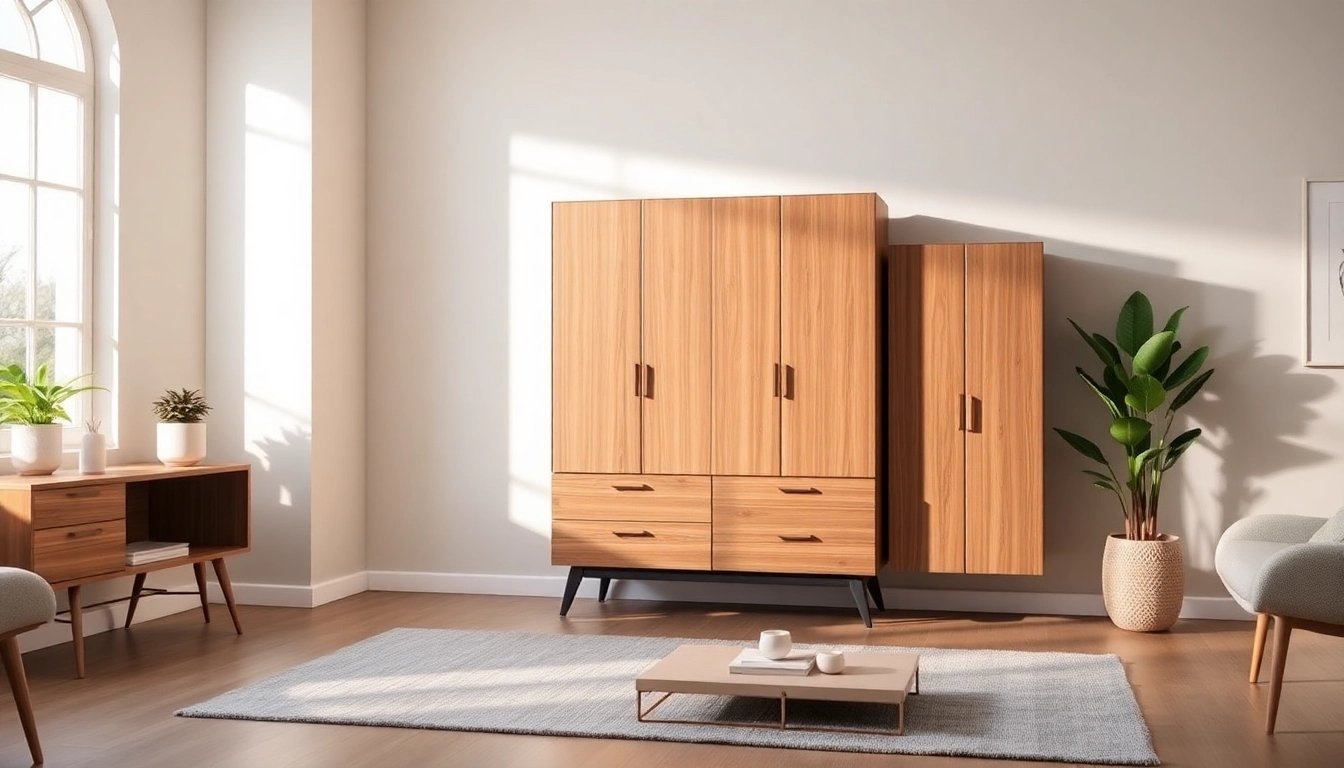
A Storage cabinet is a piece of furniture designed to store, organize, and display various items. From spicing up an area to offering practical storage solutions, these cabinets cater to diverse needs. They are commonly available in various designs, sizes, and materials, making them a versatile addition to any space. Their functionality extends beyond mere storage; they also contribute to the aesthetics of a room.
Benefits of Using a Storage Cabinet
The benefits of incorporating a Storage cabinet into your home are extensive. First, these cabinets help in decluttering spaces, making rooms appear tidier and more organized. Secondly, they can protect items from dust, damage, and wear, particularly valuable or frequently used objects. Moreover, with the right choice of style and material, a storage cabinet can enhance the overall aesthetics of a room, adding character and charm.
Common Uses Around the Home
Storage cabinets serve a multitude of purposes across the home. In the living room, they can showcase books, decorative items, or multimedia equipment. In kitchens, a Storage cabinet can hold spices, dinnerware, and kitchen supplies. Home offices benefit from storage cabinets that can organize files and supplies, creating a more productive environment. Even in entryways and hallways, they can provide a designated space for shoes, bags, and outdoor accessories.
Types of Storage Cabinets Available
Different Styles and Materials
Storage cabinets come in a wide array of styles and materials, each offering distinct advantages. Wood cabinets offer warmth and timeless elegance, suitable for classic and rustic interiors. Metal cabinets are praised for their durability and modern aesthetic, making them perfect for industrial and contemporary spaces. Additionally, plastic cabinets provide a lightweight and affordable option, ideal for utility areas or garages. Each material can be utilized effectively based on personal taste and functional requirements.
Choosing a Storage Cabinet for Specific Rooms
When selecting a Storage cabinet, consider the specific room’s needs. In bedrooms, for instance, a storage cabinet can double as a bedside table, providing accessible storage for personal items. In the dining room, cabinets can display dinnerware while storing less frequently used items. By understanding the space’s primary function and the types of items to be stored, you can choose a cabinet that perfectly fits the room’s utility and décor.
Customizable Options for Your Needs
Many modern storage cabinets come with customizable features that allow homeowners to tailor them to their specific needs. Options such as adjustable shelves, modular designs, and various finishes provide flexibility. Customization can enable better space utilization, ensuring that every item has a proper place while aligning with the overall interior design theme.
Key Features to Look for in a Storage Cabinet
Size and Space Considerations
When selecting a Storage cabinet, size and space considerations are paramount. Measure the available area to ensure the cabinet fits comfortably without overcrowding the room. Additionally, consider the height—tall cabinets can maximize vertical space but may not be suitable for small rooms with low ceilings. Slim cabinets can also be ideal for narrow spaces, providing storage without dominating the area.
Durability and Construction Quality
Opt for cabinets that prioritize durability and construction quality. Look for high-quality materials, well-constructed joints, and finishes that resist wear and tear. This ensures longevity, especially in high-traffic areas where the cabinet may experience daily use. A well-built storage cabinet can be an investment that pays off in functionality and aesthetics.
Storage Solutions: Shelves, Drawers, and Doors
A functional Storage cabinet will typically include a variety of storage solutions such as shelves, drawers, and doors. Shelves can accommodate larger items and keep them visible, while drawers are perfect for smaller objects and can help conceal clutter. Doors provide protection from dust and create a cleaner appearance. The combination of these features allows for versatile organization tailored to your specific storage needs.

Styling Your Room with a Storage Cabinet
Incorporating Color and Texture
The right Storage cabinet can serve as a focal point in any room, especially when styled with intentional color and texture. Consider the room’s color scheme when selecting your cabinet. A bold-colored cabinet can create a striking contrast against neutral walls, while textured finishes can add depth to a space. Mixing materials—such as a wood cabinet with metal hardware—can create visual interest and attract attention.
Combining with Other Furniture
To achieve a harmonious look, combining your storage cabinet with other pieces of furniture is essential. Pair it with complementary seating arrangements, side tables, or decorative accents that echo its style. This cohesive approach can help enhance the functionality and visual appeal of the room, creating a well-rounded design aesthetic.
Small Space Design Tips
Incorporating a Storage cabinet in small spaces requires strategic planning to maximize functionality without sacrificing style. Opt for multi-functional cabinets that can serve dual purposes, such as providing seating or display areas. Consider transparent or open designs that create an illusion of space rather than traditional bulky options. Vertical storage solutions can also help make the most of limited floor space.
FAQs About Storage Cabinets
What materials are best for a storage cabinet?
Wood, metal, and plastic are popular choices for storage cabinets. Wood offers a classic look, metal provides durability, and plastic is lightweight and affordable.
How do I choose the right size storage cabinet?
Measure your available space and consider the dimensions of the items you want to store. Ensure to leave adequate room for opening doors and drawers.
Can a storage cabinet be used in a kitchen?
Yes, storage cabinets are excellent in kitchens for organizing dishes, cookware, and pantry items. Look for cabinets with moisture-resistant finishes for best performance.
What are the best practices for organizing a storage cabinet?
Group similar items together, use bins for smaller items, and label contents for easy identification. Regularly declutter and rearrange for optimal functionality.
How do I maintain my storage cabinet?
Regularly dust your cabinet and wipe down surfaces with a soft, damp cloth. For wooden cabinets, use furniture polish to maintain shine and prevent drying.