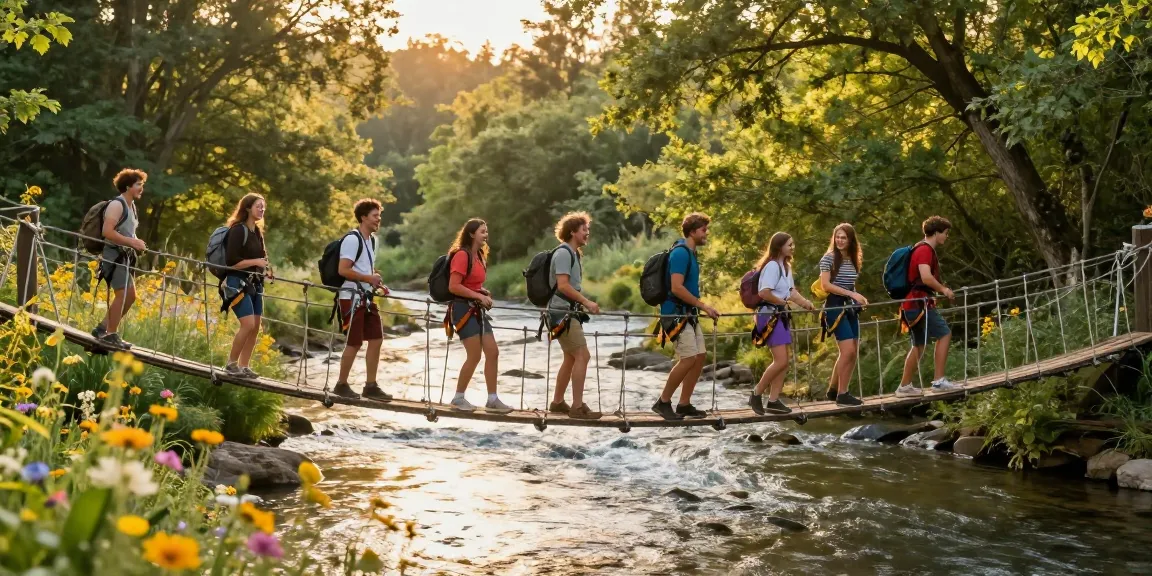
The Essentials of River Rope Bridges
River rope bridges have captivated adventurous souls for centuries, serving as vital connections between distant banks. These structures not only facilitate crossings but also enhance the beauty of the natural landscape. Designed to minimise environmental impact while providing a thrilling experience, river rope bridges are a testament to human ingenuity. When exploring options, River Rope Bridge designs have been adapted to meet both aesthetic and functional needs, making them popular among outdoor enthusiasts.
What is a River Rope Bridge?
A river rope bridge is a suspended structure that primarily uses ropes and cables for support to allow pedestrians and sometimes vehicular traffic to cross over a river. Typically built using lightweight materials, these bridges provide a balance of safety and adventurism, enabling hikers, campers, and explorers to traverse challenging terrains.
Key Components of Safe Construction
Constructing a safe river rope bridge involves several critical components:
- Anchor Points: Robust anchor points on either side of the river are essential for securing the bridge.
- Cable Quality: High-tensile strength cables that are resistant to wear and environmental effects are crucial.
- Decking Material: Non-slip decking materials provide users with safe footing while traversing the bridge.
- Suspension System: A well-designed suspension system ensures that the bridge remains stable under various loads, including wind and dynamic movement.
Historical Significance of Rope Bridges
Rope bridges have a rich history, dating back to ancient civilisations. They were crucial for trade routes, allowing societies to connect over rivers and ravines. In many cultures, these bridges were made from natural materials like vines and bamboo, demonstrating a deep understanding of local availability and environmental harmony. Some of the most remarkable examples include the Q'eswachaka bridge in Peru, which is still rebuilt annually using traditional methods.
Safety Considerations When Using River Rope Bridges
While river rope bridges are built with safety in mind, users must also take precautions when crossing. Understanding risks and being equipped with the right safety gear is essential for having a safe experience.
Essential Safety Gear for Crossing
Before embarking on a crossing, ensure that you have the following safety gear:
- Harness: A well-fitted harness helps secure individuals, especially in high crossings.
- Helmet: Essential for protecting against potential falls or head injuries.
- Life Jacket: Crucial in case of accidental falls into the water.
- Non-Slip Shoes: Proper footwear enhances grip on the decking.
Recognising and Mitigating Risks
Risks such as strong currents, inclement weather, or structural weaknesses should be monitored. Always check the structural integrity of the bridge before crossing, and be aware of environmental conditions that could affect stability.
Emergency Protocols for River Crossings
In case of emergencies, having a clear plan is vital:
- Buddy System: Always cross with a partner to assist in emergencies.
- Communication Devices: Carry a mobile phone or radio to communicate in case of distress.
- Emergency Supplies: Keep first aid kits and flotation devices accessible.
Adventure and Experience: Using River Rope Bridges in Outdoor Activities
River rope bridges have become iconic in the realm of outdoor adventures. They provide not only a means of crossing but also an exhilarating experience for thrill-seekers.
Popular Activities for River Rope Bridge Crossings
Activities that commonly include river rope bridges are:
- Trekking: Many hiking trails utilise these bridges to enhance the adventure.
- Camping: Campers often rely on them to access remote areas.
- Photography: The scenic beauty from rope bridges makes them excellent vantage points for photography.
Tips for Making the Most of Your Adventure
To fully enjoy your experience with river rope bridges, consider these tips:
- Plan Ahead: Know the route and conditions prior to your adventure.
- Respect Nature: Leave no trace and respect the natural surroundings.
- Go with Experts: Engage with experienced guides if you are inexperienced.
Case Studies: Memorable Expeditions Across Rope Bridges
Numerous expeditions have highlighted the excitement and challenges posed by river rope bridges. For instance, the annual "Bridge to Bridge" events in the UK draw large crowds to navigate a series of rope bridges across stunning landscapes, showcasing both the physical demands and team-building aspects of such adventures.
DIY River Rope Bridge Projects
For those interested in construction, building a river rope bridge can be a fulfilling DIY project requiring careful planning and execution.
Choosing Materials and Tools
Choosing the right materials is crucial for ensuring safety and durability. Commonly used materials include:
- High-Quality Ropes: Specifically designed for outdoor use.
- Wood or Composite Decking: For strong, non-slip surfaces.
- Metal Hardware: For fastening and structural integrity.
Step-by-Step Guide to Building a Rope Bridge
A basic guide to constructing a river rope bridge involves:
- Identifying suitable anchor points on both banks.
- Securing the main cables and ensuring they are taut.
- Adding decking material to create a walkable surface.
- Installing safety rails if necessary.
- Conducting thorough safety checks before use.
Maintaining Your River Rope Bridge
Regular maintenance is essential for safety and longevity. This includes:
- Inspecting Cables: Look for signs of wear or damage.
- Cleaning Decking Material: Remove debris and ensure surfaces remain non-slip.
- Reassessing Anchor Points: Ensure they remain secure over time.
The Future of River Rope Bridges in 2026
As 2026 approaches, the evolution of river rope bridges is driven by innovation and a focus on sustainability. New designs and technologies are set to change the landscape of outdoor adventure.
Innovative Designs and Technologies
New technologies in material science are resulting in stronger, lighter, and more durable ropes and non-slip surfaces. Additionally, modular designs allow for easier transportation and assembly in remote locations.
Trends in Eco-Friendly Bridge Construction
Future constructions will increasingly utilise sustainable materials and techniques that minimize ecological impact. This includes the use of recycled materials and natural fibres that blend seamlessly into the environment.
The Role of River Rope Bridges in Adventure Tourism
As adventure tourism gains popularity, the demand for river rope bridges will likely increase, offering unique experiences that combine nature with excitement. Tour companies will offer packages centred around these crossings, promoting eco-friendly tourism.
What are the Benefits of River Rope Bridges?
River rope bridges offer numerous benefits, including:
- Accessibility: They allow access to remote areas that would otherwise be difficult to navigate.
- Scenic Views: Users enjoy breathtaking views that enhance the outdoor experience.
- Community Connection: They can serve as gathering points and enhance community engagement.
How much does a river rope bridge cost?
The cost of constructing a river rope bridge can vary widely depending on factors such as materials used, size, and location. On average, budget £500 to £5,000 for a small to medium bridge, while intricate designs may exceed this range.
Where are famous river rope bridges located?
Famous river rope bridges include:
- The Carrick-a-Rede Rope Bridge in Northern Ireland, renowned for its stunning coastal views.
- The Q’eswachaka Rope Bridge in Peru, a UNESCO World Heritage site.
- The O'Shaughnessy Dam Bridge in California, offering a mix of engineering marvel and scenic beauty.
What should you take when crossing a river rope bridge?
When preparing for a crossing, ensure you take safety equipment, a reliable communication device, and hydration packs. It’s also wise to wear appropriate footwear and dress according to the weather conditions.
How to maintain a river rope bridge?
Maintaining a river rope bridge involves regular inspections, timely repairs of any damaged parts, and ensuring the area around it remains clear of obstructions. Additionally, seasonal checks after extreme weather conditions are vital.
Are river rope bridges safe for kids?
With proper supervision and the correct safety measures in place, river rope bridges can be safe for children. However, it is crucial to assess the bridge's condition and the child's ability to follow safety protocols.