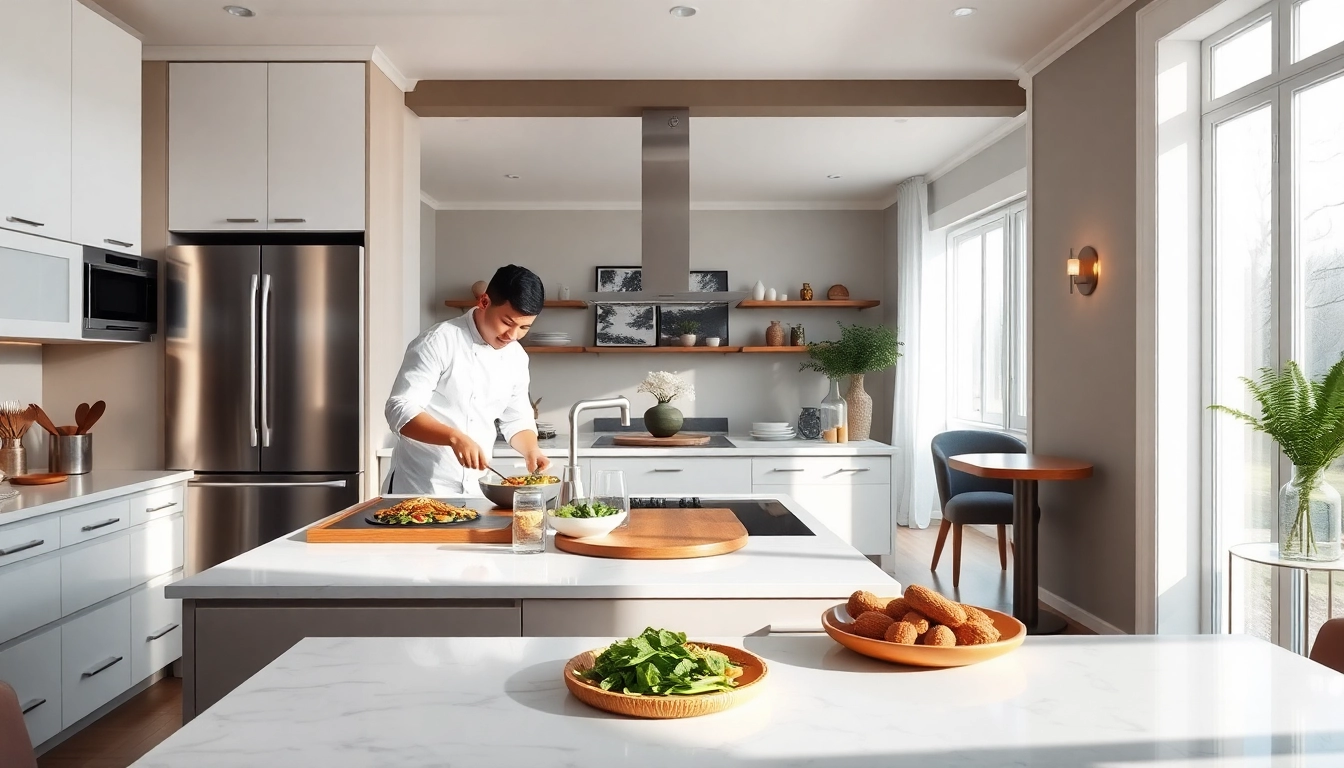
Understanding the Basics of Kitchen Remodeling
Kitchen remodeling is a vital aspect of home improvement, focusing on upgrading, redesigning, or renovating kitchen spaces for enhanced functionality and aesthetics. Adequate planning is crucial for ensuring that the outcome aligns with the homeowner's vision. Understanding the core elements of kitchen remodeling can pave the way for a successful transformation that adds value and enjoyment to the home. From aesthetic choices to practical considerations, each detail plays a role in the overall success of the project. For anyone considering this journey, a comprehensive grasp of kitchen remodeling can facilitate informed decision-making.
Key Considerations for Kitchen Remodeling
When embarking on a kitchen remodel, several fundamental considerations must guide the process:
- Functionality: The kitchen should cater to cooking needs and personal preferences. Elements like work triangles and traffic flow are essential to ensure efficiency.
- Style: Deciding on an overall style, whether modern, traditional, or transitional, can dictate many design choices, from colors to materials.
- Durability: Since kitchens endure significant wear and tear, it is essential to choose materials that will withstand daily use and maintain their appearance over time.
- Compliance and Regulations: Check local building codes and regulations, especially if altering plumbing or electrical systems.
Setting a Realistic Kitchen Remodeling Budget
Establishing a budget involves more than just cost estimation; it requires strategic planning for anticipated and potential expenses. Start with a clear understanding of the kitchen's current state and the extent of changes desired. Costs can vary significantly based on materials, labor, and fixtures.
Consider the following components when budget planning:
- Materials: Choose a mix of high-end and budget materials to balance aesthetics and functionality.
- Labor: Hiring professionals can increase costs but may be quicker and yield better results compared to DIY projects.
- Contingency Funds: Account for unexpected expenses, typically around 10-20% of the total budget.
Essential Design Elements in Kitchen Remodeling
Successful kitchen design relies on key elements that work together harmoniously. Essential design factors include:
- Countertops: Materials like granite or quartz provide aesthetics and durability.
- Cabinetry: Well-constructed cabinets can enhance storage while creating a unified look.
- Lighting: Effective lighting enhances functionality; consider ambient, task, and accent lighting.
- Backsplashes: A visually appealing backsplash can serve as a focal point amidst other kitchen elements.
Choosing the Right Materials for Your Kitchen
Popular Materials in Kitchen Remodeling
The selection of materials profoundly influences the look and feel of the kitchen. Below are some popular choices:
- Granite: Durable and elegant, granite continues to be a favorite for countertops.
- Quartz: This engineered stone offers a wide range of colors and patterns, along with low maintenance.
- Hardwood: Often used for flooring, hardwood brings warmth and classic appeal.
- Stainless Steel: Common for appliances, it’s known for its modern aesthetic and ease of cleaning.
Durability and Maintenance in Kitchen Remodeling Options
With the kitchen being one of the most used areas in the home, durability is paramount when selecting materials. Some materials require more upkeep than others; selecting options that are both attractive and can withstand daily challenges is crucial. For instance, quartz requires less maintenance than natural stones, which may require sealing. Similarly, cabinetry materials can significantly affect longevity—solid wood versus particleboard, for example, can determine how well they fare against wear.
Eco-Friendly Choices for Kitchen Remodeling
As homeowners become increasingly environmentally conscious, eco-friendly materials and practices play a significant role in kitchen remodeling. Explore options such as:
- Reclaimed Wood: Utilizing repurposed materials minimizes waste and adds character.
- Cork Flooring: Renewable and sustainable, cork is an excellent flooring option.
- Energy-Efficient Appliances: Investing in appliances with high energy ratings can decrease long-term utility costs.
Planning Your Kitchen Layout Effectively
Designing an Efficient Kitchen Workflow
The layout of a kitchen significantly impacts workflow. Adopting the work triangle concept, which focuses on the relationship between the sink, stove, and refrigerator, enhances efficiency. Consider the following layout styles:
- U-shaped Layout: Offers ample counter space and storage.
- Galley Layout: Ideal for smaller spaces, featuring parallel counters.
- Open Concept Layout: Blends kitchen space with dining or living areas, fostering interaction and light.
Incorporating Storage Solutions in Kitchen Remodeling
Effective storage is vital for maintaining organization in a kitchen. Plan for varied storage options, including:
- Pull-Out Shelves: Maximize accessibility in lower cabinets.
- Vertical Storage: Use walls for shelving and hanging pots and utensils.
- Kitchen Islands: Provide additional storage and prep space.
Maximizing Space with Open Concept Kitchen Remodeling
The trend towards open-concept design continues to thrive, offering a fluid transition between spaces. This setup promotes a social atmosphere, where family and guests can interact easily. To achieve a successful open-concept kitchen:
- Use consistent flooring and color schemes to create cohesion.
- Create visual boundaries through furniture arrangement or lighting.
- Consider incorporating a large island or breakfast bar that serves multiple functions.
Hiring Professionals or DIY in Kitchen Remodeling
Benefits of Hiring a Contractor for Kitchen Remodeling
While DIY projects can be rewarding, hiring professionals can offer numerous advantages:
- Expertise: Professionals bring experience and specialized skills, minimizing costly errors.
- Access to Resources: Contractors have established relationships with suppliers and subcontractors.
- Time Efficiency: A professional crew can complete the project more quickly than a DIY approach.
Common DIY Mistakes to Avoid in Kitchen Remodeling
DIY remodeling can be an attractive option for budget-conscious homeowners. However, mistakes can lead to more extensive issues later. To avoid pitfalls:
- Inadequate Planning: Always create a detailed plan and timeline before starting.
- Neglecting Permits: Understand local regulations and secure necessary permits.
- Mismatched Styles: Ensure cohesion in design and finishes throughout the kitchen.
How to Evaluate Kitchen Remodeling Professionals
Selecting the right remodeling contractor can be daunting. To ensure a good fit:
- Check Credentials: Confirm licenses, certifications, and insurance.
- Review Past Work: Ask for portfolios or references to gauge quality.
- Get Multiple Quotes: Compare estimates and project timelines from several professionals.
Final Touches and Trends in Kitchen Remodeling
Incorporating Smart Technology in Kitchen Remodeling
The emergence of smart technology in kitchens adds both convenience and efficiency. Integrating tech solutions can streamline daily tasks through:
- Smart Appliances: Devices like smart ovens enable remote monitoring and adjustments.
- Automation Systems: Integrate voice-activated lighting and appliance controls.
- Energy Monitoring Tools: Smart meters can help manage energy consumption effectively.
Current Trends Influencing Kitchen Remodeling
Staying abreast of current trends can inspire choices that resonate with both personal taste and market appeal. Some noteworthy trends include:
- Bold Colors: Bright cabinetry and accents make a striking statement against neutral backgrounds.
- Mixed Materials: Combining different materials can add depth and character.
- Multi-Purpose Space: Kitchens are increasingly serving as hubs for socialization and dining.
Long-Term Value of Kitchen Remodeling Projects
Investing in a kitchen remodel can yield substantial returns. Not only does it enhance the enjoyment of the home, but it often significantly increases property value. According to industry standards, a well-executed kitchen remodel typically has one of the highest rates of return in home improvement. By focusing on quality materials and expert designs, homeowners can create a space that is not only functional but also timeless.
FAQs
What is the average cost of kitchen remodeling?
The average kitchen remodel cost varies widely but often ranges from $15,000 to $50,000, depending on the extent of the renovation and materials chosen.
How long does a kitchen remodel typically take?
A kitchen remodel can take anywhere from three weeks to six months, depending on the project's complexity and scope, including any required permits.
Should I remodel my kitchen before selling my house?
A kitchen remodel can significantly enhance your home's appeal and value. It is often advised to undertake renovations before selling to attract buyers.
Can I remodel my kitchen on a budget?
Absolutely! DIY projects, clever sourcing of materials, and focusing on cosmetic updates can help achieve a beautiful kitchen remodel on a budget.
What trends are popular in kitchen designs right now?
Current trends include open-concept layouts, bold colors, mixed materials, and integrating smart home technology to enhance functionality and style.