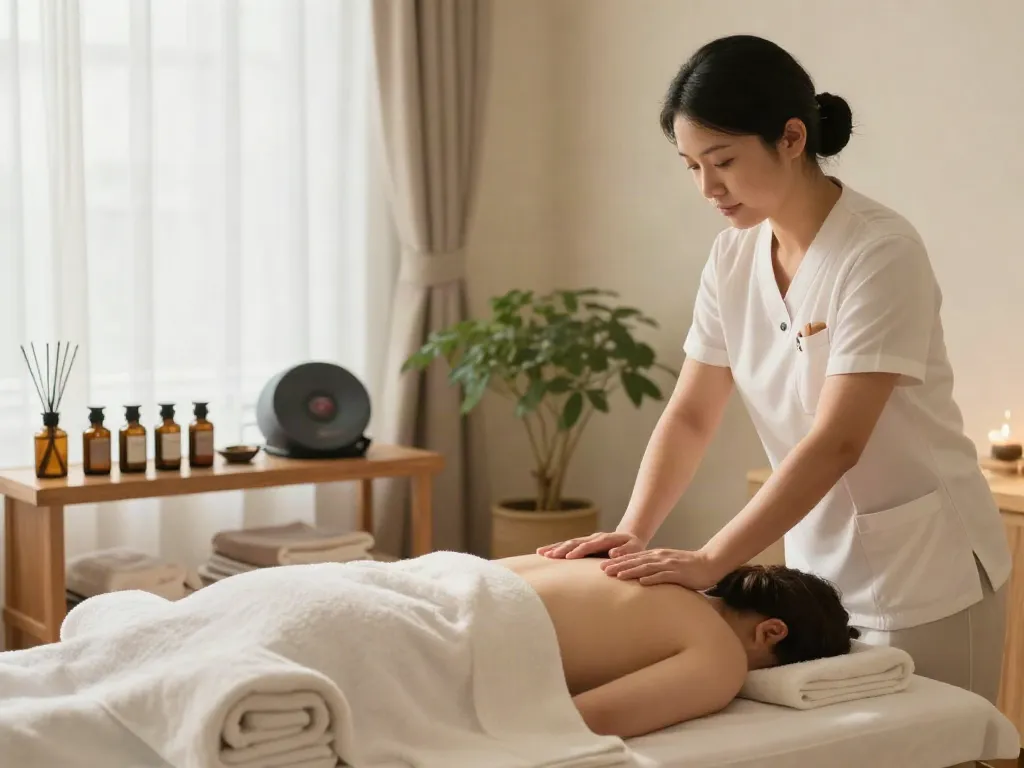
Understanding 신도림출장마사지 Services
In the bustling area of 신도림, the demand for relaxation and wellness services has surged, making 신도림출장마사지 one of the most sought-after therapies. This article explores everything you need to know about these services, including their benefits, the various techniques used, and how to select a reputable provider. Whether you're a resident or a visitor, knowing how to access quality massage services can greatly enhance your experience.
When exploring options, 신도림출장마사지 provides comprehensive insights into the various types of professional massage services available in the area. With so many choices, understanding what each service offers can help you make an informed decision.
What is 신도림출장마사지?
신도림출장마사지 refers to massage therapy services provided in the 신도림 area that cater specifically to clients looking for convenience and relaxation. These services are typically offered in the comfort of one's home, office, or hotel room, making it an ideal choice for busy individuals or those seeking privacy. The therapists are trained professionals who arrive equipped with everything necessary for a soothing experience, including massage oils, towels, and other essentials.
Benefits of Professional Massage Therapy
Professional massage therapy offers a wide array of benefits that go beyond mere relaxation. Some of the key advantages include:
- Stress Relief: One of the primary goals of massage is to alleviate stress. Physical touch has been shown to lower cortisol levels, helping you feel more relaxed.
- Pain Management: Whether it's chronic pain or the result of an injury, massage therapy can target specific areas of discomfort, providing relief and aiding in recovery.
- Improved Circulation: Massage techniques promote blood flow, which is essential for overall health and can help with healing.
- Better Sleep: Many clients report improved sleep quality after receiving a massage, which can be attributed to reduced anxiety and physical tension.
- Enhanced Flexibility: Regular massage can help maintain flexibility and mobility in the muscles and joints, making everyday activities easier.
Types of Massage Techniques Offered
신도림출장마사지 services typically offer a variety of massage techniques tailored to meet individual needs. Some popular types include:
- Swedish Massage: Known for its gentle, flowing strokes, this is a great option for beginners and those looking for relaxation.
- Deep Tissue Massage: Aimed at relieving chronic muscle tension, this method uses more intense pressure and is often recommended for athletes or those with specific pain issues.
- Sports Massage: Designed for athletes, this technique focuses on preventing and treating injuries related to sports and exercise.
- Aromatherapy Massage: This combines essential oils with massage techniques to enhance relaxation and address various physical and emotional concerns.
- Hot Stone Massage: Using heated stones to relax and loosen tight muscles, this technique offers a unique alternative for those seeking deep relaxation.
How to Choose a Reputable Massage Provider
Finding the right massage therapist can significantly impact your experience. Here are some steps to ensure you select a reputable provider:
Researching Local 신도림출장마사지 Services
Start by searching for local massage providers in the 신도림 area. Look for those with a strong online presence, as this often indicates quality service. Websites should provide details about their offerings, qualifications, and customer testimonials. Utilize search engines to compare providers and identify the best options available.
Reading Reviews and Testimonials
Reviews from previous clients can offer valuable insights into what you can expect. Look for feedback regarding the therapist's professionalism, the cleanliness of the environment, and the effectiveness of the massage. Sites like Google, Yelp, and social media can be great resources for gathering this information.
What to Look for in a Massage Therapist
Not all therapists are created equal. Here are several key traits to consider:
- Certification: Ensure your therapist is certified and trained, which can often be verified through licensing boards or professional associations.
- Experience: Look for a therapist with experience in the specific type of massage you are interested in.
- Communication Skills: A good therapist should be able to listen and adapt to your needs, ensuring a customized experience.
- Hygiene Practices: The therapist should follow strict hygiene practices, especially in terms of cleanliness and sanitization.
Preparing for Your Massage Appointment
Being well-prepared for your appointment can help you get the most out of your session. Here are some tips:
What to Expect During Your Session
During your massage, you can expect to discuss any specific areas of tension or discomfort with your therapist. They will tailor the session to your needs, focusing on areas that need the most attention. Most sessions last between 60 to 90 minutes, allowing ample time for relaxation and rejuvenation.
How to Communicate Your Preferences
Before the massage begins, be open with your therapist about your comfort level, pressure preferences, and any medical conditions. This communication is crucial to ensure a positive experience. Don't hesitate to speak up during the session if something feels uncomfortable or if you'd like to adjust the pressure.
Tips for First-Time Clients
If you're new to massage therapy, here are a few tips to make your first experience enjoyable:
- Arrive Early: Give yourself plenty of time to fill out any necessary forms and to relax before the session.
- Dress Comfortably: Wear loose-fitting clothing that allows you to move freely.
- Stay Hydrated: Drink plenty of water before and after your session to help flush out toxins released during the massage.
The Importance of Aftercare Post-Massage
Aftercare is almost as important as the massage itself. How you care for your body post-session can significantly influence the benefits you receive.
Maximizing the Benefits of Your Massage
To extend the benefits of your massage, consider these strategies:
- Hydration: Continue to drink water to help flush out any toxins released during the massage.
- Gentle Movement: Engaging in light stretching or walking can help keep your muscles loose and relaxed.
- Rest: Allow your body time to recuperate after the massage; consider taking it easy for the remainder of the day.
Common Post-Massage Tips and Practices
Many people experience some soreness after a massage, particularly if they are not accustomed to regular therapy. Here are some tips to alleviate any discomfort:
- Warm Bath: Taking a warm bath or shower can help soothe sore muscles.
- Ice Packs: For areas that feel tender, applying ice can reduce inflammation and discomfort.
- Stretching: Gentle stretching can help maintain flexibility and further relax tense muscles.
Recognizing Any Negative Reactions
While most reactions to massage are positive, some individuals may experience adverse effects such as increased soreness or fatigue. If you encounter persistent discomfort, it's essential to consult with your therapist or a healthcare professional for advice.
Future Trends in Massage Therapy for 2026
The field of massage therapy is continually evolving, with emerging trends that promise to enhance the client experience. Here is a look at what to expect in the coming years.
Technological Innovations in Massage Services
Advancements in technology are likely to change how massage services are delivered. For example, the integration of apps for scheduling appointments and managing payments is already in progress. Additionally, virtual reality experiences might enhance relaxation techniques during sessions.
Personalization in Client Experiences
Personalized massage therapies that cater to individual health needs and preferences will become increasingly popular. This trend may involve tailored oils, massage techniques based on personal health assessments, and even customized environments that promote relaxation.
Emerging Techniques and Practices
As research continues to evolve, new massage techniques may emerge that combine traditional practices with modern insights into physical health. These techniques may focus on specific health outcomes, such as reducing anxiety or improving chronic pain management.
How Often Should You Schedule a Massage?
The frequency of massage therapy can vary widely among individuals based on lifestyle, stress levels, and physical activity. Many practitioners recommend a monthly session for maintenance, while others may suggest weekly visits for those dealing with chronic pain or high-stress situations. Ultimately, listening to your body and consulting with your therapist can help determine the best scheduling for you.