
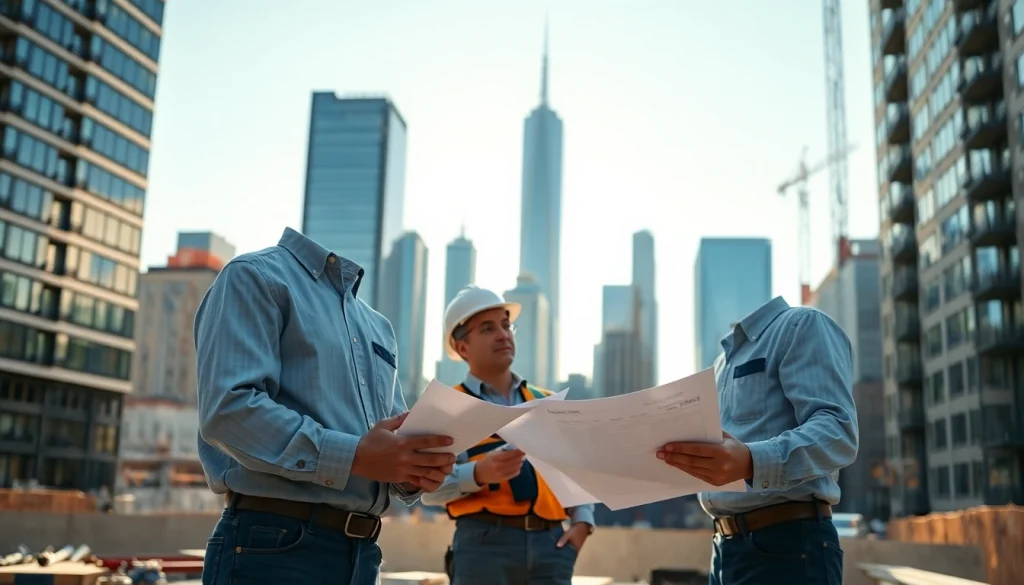
Understanding the Role of a Manhattan General Contractor
In the bustling landscape of Manhattan, where real estate ventures and construction projects flourish, the role of a Manhattan General Contractor is pivotal. These professionals orchestrate the myriad complexities of construction, turning visions into reality. From managing budgets and timelines to navigating the regulatory environment, their influence can make or break a project. Understanding their role not only clarifies the construction process but also helps clients appreciate the value these experts bring to the table.
What a Manhattan General Contractor Does
A Manhattan General Contractor acts as the primary point of contact in construction projects, responsible for overseeing every aspect from inception to completion. Their tasks include:
- Project Planning: Developing detailed project timelines, budgets, and resource allocation plans.
- Hiring Subcontractors: Engaging specialized tradespeople, such as electricians and plumbers, essential for various construction components.
- Materials Procurement: Sourcing and securing necessary materials to ensure quality and compliance with project specifications.
- Quality Control: Maintaining high construction standards through regular inspections and implementing best practices.
- Client Liaison: Regularly communicating progress, challenges, and changes with clients to keep them informed throughout the process.
The Importance of Local Expertise
Having a deep understanding of Manhattan’s unique construction landscape is crucial. Local expertise enables general contractors to:
- Navigate local regulations and permitting processes efficiently.
- Foster relationships with local suppliers and subcontractors.
- Anticipate urban challenges such as space constraints and noise ordinances.
This local knowledge mitigates risks and enhances the likelihood of project success, making it a vital consideration when selecting a contractor.
Common Misconceptions about Contractors
There are several misconceptions that often cloud the public perception of general contractors:
- All Contractors are the Same: The experience, specialization, and reputation can vary greatly between contractors, making research essential.
- The Cheapest Option is Best: Opting for the lowest bid may lead to subpar quality or unanticipated costs down the line.
- Contractors Control Everything: While general contractors manage projects, client input and decision-making are critical to achieving desired outcomes.
Choosing the Right Manhattan General Contractor for Your Project
Selecting the right general contractor is a significant step in ensuring your project’s success. It’s not just about finding someone who can get the job done; it’s about finding the right fit for your specific needs and vision.
Key Qualities to Look For
When evaluating potential general contractors, consider looking for the following qualities:
- Experience: A contractor with a robust portfolio in your specific type of project—residential or commercial.
- Reputation: Look for positive reviews and testimonials from past clients.
- Communication Skills: Effective communication helps in discussing ideas, handling concerns, and making decisions collaboratively.
- Problem-Solving Ability: A good contractor should have the flexibility and resourcefulness to address unexpected challenges.
- Transparency: Clarity on project estimates and timelines establishes trust and fosters a positive working relationship.
Questions to Ask Potential Contractors
Before hiring a contractor, asking key questions can help you gauge their suitability for your project:
- What is your project management process?
- Can you provide references from similar projects?
- How do you handle change orders and unexpected costs?
- What measures do you take to ensure safety on-site?
- How frequently will you provide updates on project progress?
Setting Expectations for Your Collaboration
Clearly defined expectations lay the groundwork for a fruitful partnership with your general contractor. Consider the following:
- Establish clear communication channels and preferred methods.
- Define project goals, timelines, and scope accurately from the outset.
- Agree on benchmarks for monitoring progress and quality.
- Acknowledge the contractor’s professional input and expertise throughout the project.
Common Challenges Faced by Manhattan General Contractors
Construction in Manhattan comes with its specific set of challenges, and general contractors must be prepared to tackle them head-on.
Dealing with NYC Regulations and Permits
The regulatory landscape in New York City can be stringent, with numerous local laws governing construction practices. Manhattan general contractors must:
- Stay updated on zoning laws, building codes, and other regulatory requirements.
- Secure the necessary permits and ensure compliance to avoid costly delays.
- Collaborate with city officials and compliance specialists to streamline the approval process.
Managing Client Expectations
Misaligned expectations can lead to dissatisfaction. General contractors should:
- Set realistic timelines and budgets from the beginning.
- Communicate potential challenges clearly to clients.
- Encourage open dialogue throughout the project to address client concerns timely.
Overcoming Construction Delays
Delays can occur due to various factors, including supply chain issues and weather conditions. Effective strategies include:
- Implementing robust project management tools to track progress.
- Developing contingency plans for unforeseen delays.
- Maintaining flexibility in scheduling without compromising quality.
Best Practices When Working with a Manhattan General Contractor
Collaboration is key to getting the most out of your partnership with a general contractor. Here are some best practices to ensure success.
Effective Communication Techniques
Strong communication plays a crucial role in the construction process. Therefore, consider adopting these techniques:
- Schedule regular check-ins to discuss progress and any issues that arise.
- Use project management software to provide a transparent view of timelines and responsibilities.
- Encourage feedback and suggestions to foster a collaborative environment.
Budget Management Strategies
Managing the project budget effectively is essential to ensure that costs remain within planned limits. Strategies include:
- Regularly reviewing and updating budget forecasts based on real-time data.
- Identifying areas for cost savings without compromising quality.
- Maintaining a contingency fund to address unexpected expenses.
Maintaining Quality Standards
Quality assurance should be a priority throughout the construction process. General contractors can ensure high standards by:
- Establishing clear quality benchmarks and expectations from the outset.
- Conducting regular inspections and audits during construction.
- Engaging skilled subcontractors who share the same quality commitment.
Evaluating Project Success with Your Manhattan General Contractor
To gauge the success of your construction project, collaboration with your general contractor should continue even after project completion.
Measuring Deliverables Against Goals
Assess your project’s success by measuring deliverables against the initial goals set at the start. Consider metrics such as:
- Completion time relative to project timelines.
- Final cost compared to the original budget.
- Quality and functionality of the completed work.
Feedback Channels for Client Satisfaction
Gathering feedback is vital for understanding client satisfaction and potential areas for improvement. Implement measures such as:
- Surveys to capture client opinions post-project.
- One-on-one meetings to discuss the overall experience.
- Establishing an ongoing relationship for referrals and future projects.
Post-Project Assessment and Future Collaborations
Conducting a post-project assessment helps in recognizing successes and learning from challenges. Focus on:
- Documenting lessons learned to benefit future projects.
- Exploring opportunities for future collaborations and ongoing partnerships.
- Reflecting on client feedback to enhance service delivery for upcoming ventures.
Frequently Asked Questions (FAQs)
What should I consider when hiring a general contractor?
Look for experience, reputation, communication skills, and references from similar projects to ensure a good fit.
How can I manage my project budget effectively?
Regularly review budgets, track expenses, plan for contingencies, and explore cost-saving options without compromising quality.
What are common delays in construction projects?
Common delays include inclement weather, supply chain issues, and unexpected site conditions. Effective planning can mitigate these risks.
How can I ensure quality in my construction project?
Set clear quality standards, conduct regular inspections, and work with skilled subcontractors committed to excellence.
What’s the importance of communication with my contractor?
Effective communication fosters collaboration, facilitates problem-solving, and ensures you remain informed about project progress.