Understanding Kitchen Loofah Benefits
What is a Loofah?
A loofah is a natural sponge made from the fibrous interior of the Luffa plant, a member of the cucumber family. Its unique network of fibers provides excellent scrubbing power, making it a popular choice in households for a variety of cleaning tasks. While loofahs are commonly used in bathing, their versatility extends to kitchen use. With a proper understanding of the kitchen loofah benefits, users can maximize both clean and sustainable practices in their cooking environments.
Historical Uses of Kitchen Loofahs
Historically, loofahs have been utilized for hundreds of years, dating back to ancient cultures in Asia and Africa, where they were employed not only for personal hygiene but also in culinary practices. In some regions, loofahs served as natural dish scrubbers, resistant to mold and bacteria. The tradition of using loofahs has persisted across generations, evolving from their original use to integrate more eco-conscious cleaning solutions in modern kitchens.
The Nutritional Aspect of Using Loofah
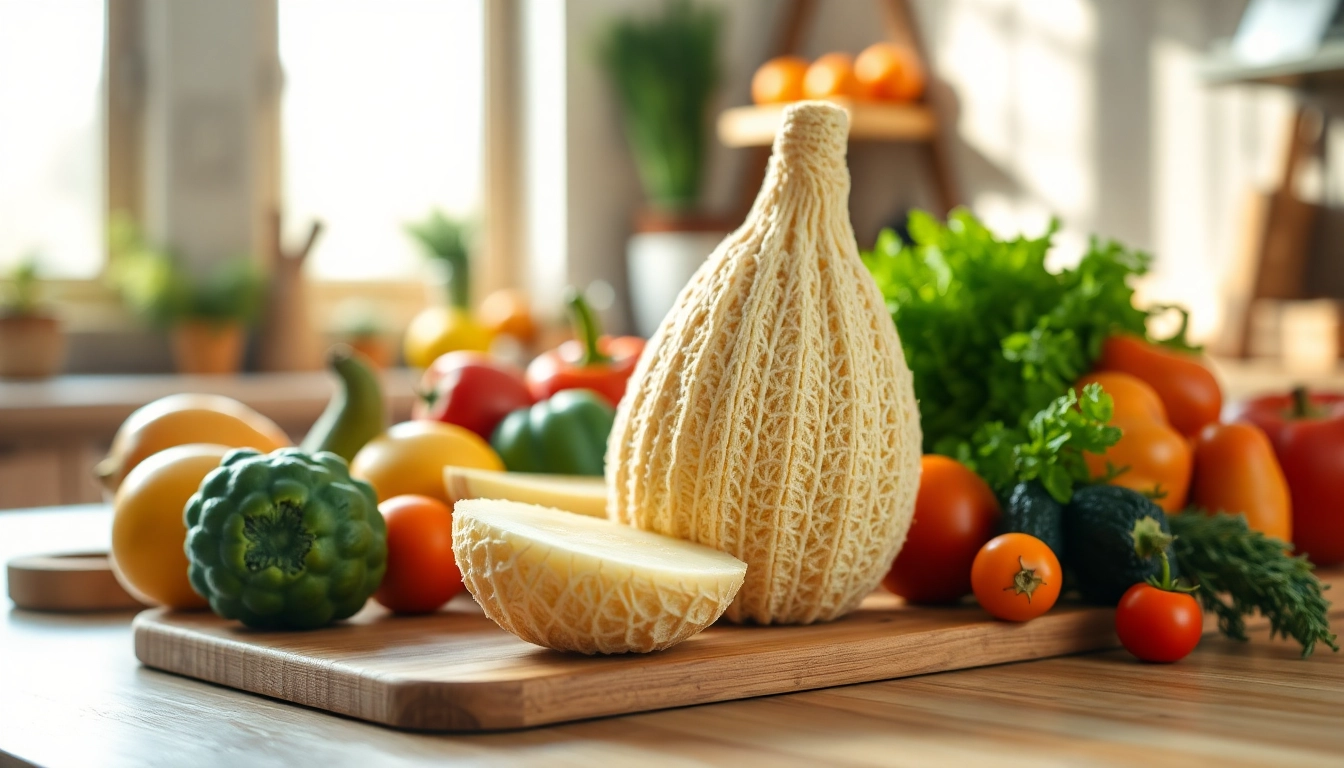
Interestingly, loofah isn’t just effective for cleaning — it also has dietary applications. Young loofah fruits can be consumed and are known for their high water content and low-calorie profile, making them a valuable addition to a balanced diet. They provide vitamins A and C, as well as potassium, all of which contribute to a healthy lifestyle. Understanding both the nutritional and practical aspects of loofah usage can enrich your kitchen experience.
Natural Cleaning with Kitchen Loofah Benefits
Eco-Friendly Cleaning Solutions
Switching to a kitchen loofah as a cleaning tool aligns perfectly with eco-friendly practices. Unlike synthetic sponges, which can harbor bacteria and take years to decompose, loofahs are biodegradable and compostable. When you’re finished with a loofah, it can break down naturally, reducing landfill waste and respecting our planet. This eco-conscious choice not only helps the environment but often provides a more effective, chemical-free cleaning method.
Comparing Loofahs to Synthetic Sponges
Loofahs have several advantages over synthetic sponges, which can often contribute to the pollution crisis. Synthetic sponges wear down quickly and can emit microplastics into the water system, whereas loofahs maintain their integrity longer and offer superior scrubbing power. Moreover, loofahs do not retain odors or bacteria the same way synthetics do when properly cleaned and dried, creating a more hygienic cleaning tool for your kitchen.
How to Properly Clean and Maintain Loofahs
Proper care of your kitchen loofah allows it to last longer and perform better. After each use, rinse thoroughly with hot water, removing any food particles. Allow the loofah to air dry completely in a well-ventilated area to prevent mold and bacteria growth. Every few weeks, you can sanitize your loofah by soaking it in a mixture of vinegar and water or placing it in the top rack of your dishwasher. This maintenance not only prolongs its life but also enhances its cleaning efficacy.
Health and Beauty: Kitchen Loofah Benefits
Exfoliation Properties of Loofahs
Apart from kitchen use, loofahs have become renowned in the health and beauty sector for their exfoliating properties. The fibrous texture of a loofah aids in the removal of dead skin cells when used in the shower. Regular exfoliation can enhance skin texture, promote circulation, and facilitate absorption of skincare products, making loofahs invaluable tools not just for cleaning dishes, but also for skincare routines.
Using Loofahs in Homemade Skincare
Many skincare enthusiasts have found innovative ways to incorporate loofahs into homemade beauty products. For example, loofahs can be used as a natural buffer for scrubs and body washes. When blended into natural body scrubs, they help to distribute products more evenly while offering physical exfoliation. The result is smoother skin and a spa-like experience in your own bathroom.
Loofah in Bathing Routines
Integrating a loofah into your bathing routine can greatly enhance the experience. By combining the loofah’s texture with a nourishing soap or body wash, you can create a rich lather that massages the skin, helping to promote relaxation. Not only does this create a more enjoyable bathing experience, but it also serves as an eco-friendly alternative to plastic loofah options.
Culinary Uses of Kitchen Loofah Benefits
Incorporating Loofah into Recipes
The culinary versatility of loofah extends far beyond its role in cleaning. The young fruits of the loofah plant can be prepared in various ways: stir-fried, boiled, or even roasted. Featuring mild flavor, loofah pairs well with spices and can easily absorb flavors from other ingredients, making it a delightful addition to soups and stews. When prepared properly, loofah can contribute a healthy and textural contrast to a variety of dishes.
Loofah as a Natural Garnish
Loofah can also function as a natural garnish, adding both aesthetic and nutritional value to meals. When sliced thinly, loofah can be served raw in salads or used to embellish main dishes. Its unique texture provides a crunch that enhances the overall sensory experience of the meal, while its rich nutritional profile makes it a guilt-free accompaniment.
Potential Health Benefits When Consumed
Incorporating young loofah into your diet not only adds diversity but also provides several health benefits. High in dietary fiber, loofah aids digestion and helps maintain gut health. Furthermore, its low-calorie content makes it suitable for weight management. Given its high antioxidant content, consuming loofah may also contribute to overall health by fighting oxidative stress in the body.
Best Practices for Utilizing Kitchen Loofah Benefits
Choosing the Right Loofah for Your Needs
When selecting a loofah for kitchen use, consider the following factors: the size, thickness, and purpose of use. For general cleaning, a medium-sized, firm loofah is typically ideal. If you intend to use it for both cleaning and cuisine, opt for loofahs that are certified organic to ensure you’re using a product free from harmful pesticides or additives. Careful selection enhances your overall experience with kitchen loofah benefits.
Tips for Sustainable Usage
To fully embrace sustainable practices, consider pairing your loofah use with other eco-friendly kitchen initiatives. Use biodegradable cleansing detergents, practice composting, and ensure responsible disposal of used loofahs. By synchronizing the lifecycle of your loofah with other sustainable habits, you amplify the positive environmental impact of your kitchen activities.
How to Educate Others on Loofah Benefits
To increase awareness around the benefits of using loofahs, share your personal experiences and insights with family, friends, and social groups. Consider hosting workshops or sharing recipes online that highlight the dual functionality of loofahs in both cooking and cleaning. Engaging in conversations about sustainability can inspire others to rethink their home practices and switch to more eco-friendly options.
FAQs about Kitchen Loofah Benefits
1. Are loofahs good for cleaning fruits and vegetables?
Yes, loofahs are excellent for gently scrubbing fruits and vegetables, removing dirt while being eco-friendly.
2. How often should I replace my kitchen loofah?
Typically, kitchen loofahs should be replaced every 3-4 weeks, depending on usage and care.
3. Can I compost my loofah when done?
Absolutely! Loofahs are biodegradable, making them perfect for composting once they’ve reached the end of their lifespan.
4. Is cooking with loofah safe?
Yes, young loofah fruit is edible and safe to eat, providing various nutritional benefits for a healthy diet.
5. How should I store my kitchen loofah?
Store your kitchen loofah in a dry, well-ventilated area after cleaning to prevent mold and bacterial growth.