
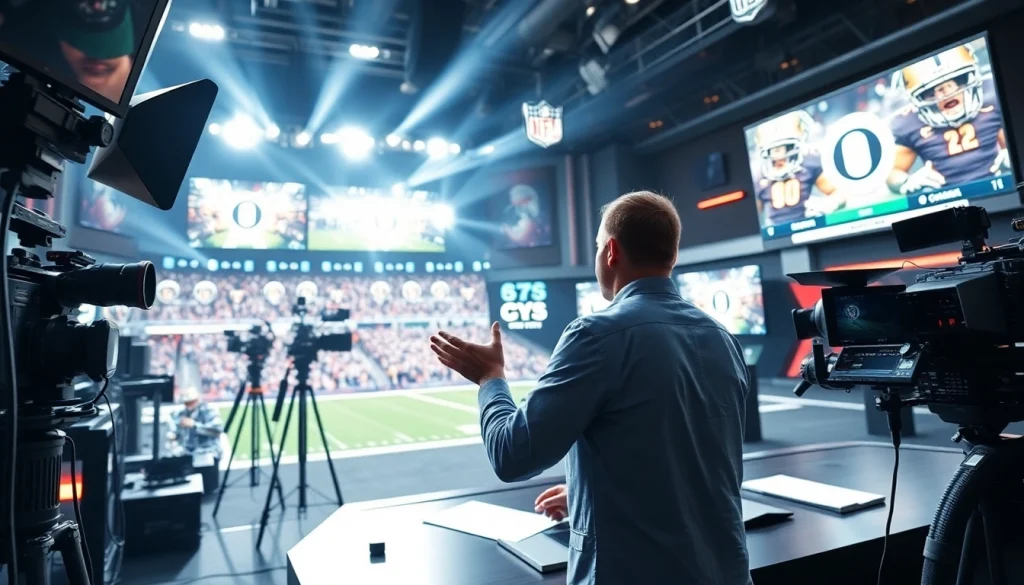
Understanding the Basics of Sports Broadcasting
What is Sports Broadcasting?
Sports broadcasting refers to the transmission of sporting events via television, radio, or online platforms, allowing fans to experience live games, commentary, and analysis from the comfort of their homes or on-the-go. This industry plays a crucial role in promoting sports and facilitating fan engagement by delivering real-time information, statistics, and post-event analysis. To explore more about the evolving landscape of Sports Broadcasting, we can analyze its historical context and the players that shape its future.
History and Evolution of Sports Broadcasting
The roots of sports broadcasting can be traced back to the early 20th century, with the first radio broadcasts of sports events occurring in the 1920s. As technology advanced, television broadcasts began in the 1930s, transforming how fans consumed sports content. From the first televised baseball game to the live broadcasts of the Olympics, sports broadcasting has undergone significant changes. The introduction of cable and satellite TV in the 1980s further expanded access, while the rise of the internet and streaming platforms in the 21st century has revolutionized the landscape, providing fans with unprecedented access to their favorite sports anytime, anywhere.
Key Players in the Sports Broadcasting Ecosystem
The sports broadcasting ecosystem consists of various stakeholders, including broadcasters, sports leagues, teams, advertisers, and viewers. Major television networks, streaming services, and radio stations collaborate with sports leagues to obtain broadcasting rights, which can be lucrative due to the advertising revenue generated. Additionally, sports teams and leagues produce content to engage their fans through social media, adding another layer to the broadcasting landscape. Understanding these relationships is vital for anyone involved in sports media, from marketing departments to content creators.
Technical Aspects of Sports Broadcasting
Essential Equipment for Quality Broadcasting
Quality sports broadcasting relies heavily on advanced equipment. Cameras, audio gear, lighting, and transmission technology all play pivotal roles in delivering high-quality content. Ultra-high-definition (UHD) cameras offer crystal-clear visuals, while multi-camera setups allow for dynamic coverage of events. Additionally, microphones and sound systems ensure commentators and on-field sounds are captured effectively. The right equipment ensures an immersive experience for viewers, whether they’re watching at home, on mobile devices, or in public venues.
Broadcasting Software and Tools
Behind every successful broadcast is a suite of software tools that assist in everything from video production to content management. Graphics systems create visually appealing overlays that display scores and statistics during live games. Additionally, software for live streaming allows broadcasters to transmit events online, reaching wider audiences. Content management systems help organize and distribute footage post-event, crucial for highlights and promotional materials. Mastering these tools is essential for broadcasters to remain competitive and innovative.
Post-Production Editing Techniques
Post-production is where the magic continues, allowing broadcasters to create compelling highlight reels, commentary segments, and promotional clips. Skills in video editing software like Adobe Premiere Pro or Final Cut Pro enable editors to cut footage efficiently, add graphics, and incorporate sound effects or music. Implementing techniques like slow-motion effects or replay analysis enhances viewer engagement and provides deeper insights into the events. Effective post-production can significantly extend the life of a broadcast and reach audiences beyond live viewers.
Impact of Sports Broadcasting on Audience Engagement
How Broadcasting Influences Fan Experience
The quality of sports broadcasting significantly influences the fan experience. Meticulous attention to detail—from the clarity of the image to the quality of commentary—can enhance viewer enjoyment and commitment to a team or sport. Engaging commentary and informative analysis during live broadcasts provide fans with context, making them feel connected to the event, even when not attending in person. This emotional connection drives viewership and loyalty, reinforcing the value of high-quality sports broadcasting.
The Role of Social Media in Sports Broadcasting
Social media has transformed sports broadcasting by providing instant updates, highlights, and fan interactions. Platforms like Twitter, Instagram, and TikTok facilitate real-time engagement and allow broadcasters to share behind-the-scenes content, increasing viewer loyalty and creating communities around teams and events. Hashtags and live-tweeting are common practices that keep the conversation going during games, allowing fans to connect with each other and share their experiences, further integrating sports broadcasting into daily social media use.
Analyzing Viewer Preferences and Trends
Understanding viewer preferences is essential in the realm of sports broadcasting. Data analytics play a crucial role in identifying what audiences enjoy, their viewing habits, and preferred platforms. Surveys, viewership metrics, and audience feedback help broadcasters tailor content to meet expectations. For example, younger audiences may prefer highlights and digital content, while traditional fans might appreciate lengthy post-game analysis. By adapting to these preferences, broadcasters can maximize engagement and ensure content resonates with different demographics.
Best Practices in Sports Broadcasting
Creating Compelling Storylines During Broadcasts
Successful sports broadcasts go beyond merely reporting scores; they create compelling narratives that draw viewers in. Effective storytelling encompasses player backgrounds, team rivalries, and historical contexts that enrich the viewer’s experience. Commentary should weave in stories that resonate emotionally, highlighting triumphs, struggles, and personal journeys. Engaging audiences on a narrative level can transform a routine broadcast into an unforgettable experience that fans will cherish.
Ethical Considerations in Sports Broadcasting
Ethics in sports broadcasting are paramount, and broadcasters must navigate challenges such as maintaining impartiality, respecting the privacy of individuals, and accurately representing events. Sensationalism and biased commentary can harm credibility and alienate viewers. Ethical practices in reporting and commentary foster trust and a loyal audience as fans appreciate transparency and honesty, which are essential for long-term viewing relationships.
Ensuring Accessibility in Broadcasting
Accessibility is a key consideration in sports broadcasting. Broadcasters should incorporate closed captioning, audio descriptions, and sign language interpretation to ensure all viewers, including those with disabilities, can enjoy sporting events. Offering multiple language options further broadens audience reach. By prioritizing accessibility, broadcasters demonstrate inclusivity, expanding their viewership while enhancing fan loyalty and satisfaction.
The Future of Sports Broadcasting
Emerging Technologies in Sports Broadcasting
The future of sports broadcasting looks promising, driven by emerging technologies. Virtual reality (VR) and augmented reality (AR) present opportunities for immersive experiences, allowing fans to engage with events as if they were physically present. 5G technology enhances mobile streaming capabilities, promising seamless viewing experiences on portable devices. As technology advances, broadcasters will likely adopt new methods to create innovative viewing experiences that captivate audiences worldwide.
Trends Shaping the Future of Broadcasting
Several trends are influencing the landscape of sports broadcasting, including the shift towards direct-to-consumer models, increased reliance on data analytics, and the integration of interactive content. As more fans seek personalized content delivered via their devices, broadcasters are adapting by creating tailored experiences, such as real-time statistics and interactive graphics during events. This responsiveness to consumer behavior will define the future of sports media.
Building Sustainable Practices in Sports Broadcasting
Sustainability is becoming increasingly important across industries, including sports broadcasting. Broadcasters are exploring eco-friendly production methods, reducing waste, and using renewable energy sources for events. Additionally, promoting socially conscious programming that highlights positive stories within sports can enhance community impact. By committing to sustainability, broadcasters can contribute to environmental preservation while also appealing to conscious consumers.
Frequently Asked Questions
What is sports broadcasting?
Sports broadcasting involves the transmission of live sports events through television, radio, and online platforms, facilitating real-time engagement from fans.
How has sports broadcasting evolved?
It has evolved from radio broadcasts in the 1920s to television and now online streaming, allowing fans greater access to their favorite sports.
What equipment is essential for sports broadcasting?
Essential equipment includes high-definition cameras, audio systems, and broadcasting software to ensure quality transmission and viewer engagement.
How does social media affect sports broadcasting?
Social media promotes instant interaction, sharing of highlights, and enhances community building, making broadcasts more engaging for fans.
What are the future trends in sports broadcasting?
Future trends include the adoption of VR and AR for immersive experiences, direct-to-consumer models, and increased reliance on data analytics for audience engagement.