
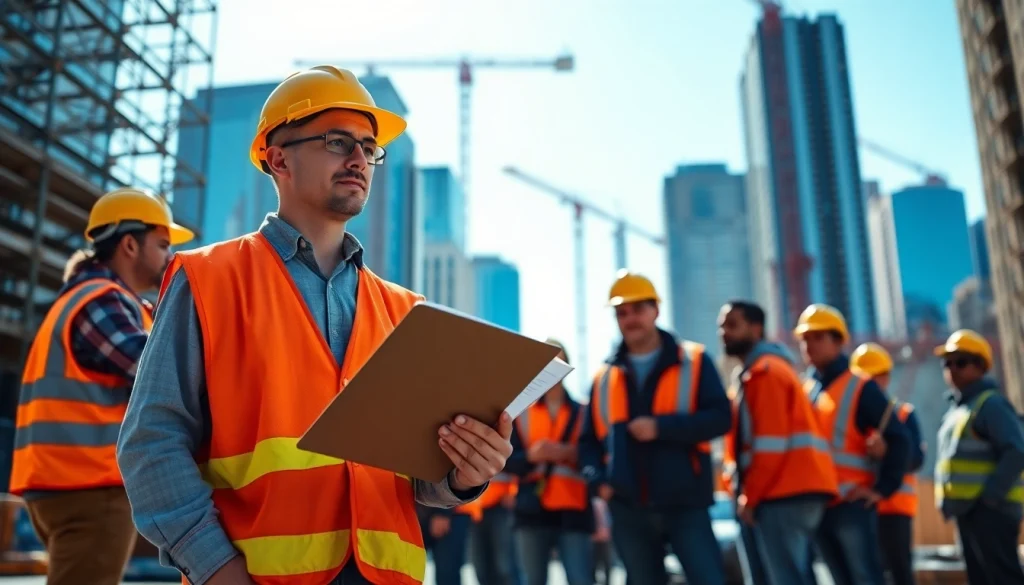
Introduction to the Role of Manhattan Construction Manager
The role of a Manhattan Construction Manager is multifaceted and pivotal in overseeing construction projects in one of the most dynamic urban environments in the world. Responsible for ensuring that projects are completed on time, within budget, and according to specified requirements, these managers serve as a critical link among stakeholders—including clients, contractors, and subcontractors. In an era where buildings must meet evolving standards, the responsibilities have expanded to encompass not only traditional project management but also compliance with regulatory frameworks, environmental considerations, and technological advancements.
Overview of Responsibilities
The responsibilities of a Manhattan Construction Manager can be encapsulated in several key areas:
- Project Planning: This involves creating detailed project timelines, securing permits, and coordinating with various stakeholders to gather necessary resources.
- Resource Management: Allocating and managing financial, human, and material resources efficiently to meet project demands.
- Quality Control: Monitoring all aspects of construction to ensure adherence to safety standards, codes, and best practices.
- Communications Management: Facilitating clear communications among all parties involved in the project.
- Budget Oversight: Keeping project expenditures within budgetary limits while evaluating cost-saving measures.
Skill Sets Required for Success
A successful Manhattan Construction Manager must possess a diverse skill set, including:
- Technical Knowledge: A strong understanding of construction processes, materials, and technologies.
- Leadership Abilities: The capacity to lead teams effectively, inspire trust, and foster collaboration.
- Problem-solving Skills: The ability to think quickly and alleviate challenges that arise during the construction process.
- Negotiation Skills: Being able to negotiate contracts and manage various stakeholders’ expectations.
- Attention to Detail: A keen eye for detail needed to oversee the quality of work.
The Importance of Effective Communication
Communication is an essential component of successful project management. A Manhattan Construction Manager must ensure that all team members and stakeholders are on the same page throughout the project lifecycle. Effective communication fosters collaboration, minimizes misunderstandings, and enhances problem resolution. This requires regular updates, meetings, and clear documentation, ensuring that everyone involved understands their roles, deadlines, and expectations.
Key Challenges Faced by a Manhattan Construction Manager
In the fast-paced environment of Manhattan, construction managers encounter numerous challenges that require strategic planning and adaptive problem-solving skills. The following are key challenges faced by Manhattan Construction Managers:
Dealing with Regulatory Hurdles
The regulatory landscape in urban areas can be complex, with various local, state, and federal guidelines governing construction practices. A Manhattan Construction Manager must adeptly navigate zoning laws, safety codes, environmental regulations, and permits to ensure compliance at all stages of the project. This often involves liaising with multiple regulatory bodies and adapting project plans to meet evolving requirements.
Managing Budgets and Resources Efficiently
Enhanced oversight of financial resources is crucial to avoiding cost overruns. Construction managers must develop meticulous budgets that account for all potential expenses, from materials to labor. They also need to monitor expenditures continuously and adjust as necessary to stay within budget. Resource management extends to human capital as well, as effective allocation of labor resources can help mitigate risks of delays or inefficiencies.
Adapting to Technological Changes
The construction industry is undergoing rapid technological innovation, from project management software to advanced building techniques. A Manhattan Construction Manager must be proactive in adopting new technologies that can enhance project efficiency, communication, and safety. Staying abreast of industry trends and tools, such as Building Information Modeling (BIM) and project tracking software, can provide a competitive edge in project management.
Best Practices for Successful Project Management
To effectively navigate the challenges of managing construction projects in Manhattan, adopting best practices is essential. Below are some key strategies.
Creating Comprehensive Project Plans
A solid project plan serves as the blueprint for execution. It should include detailed timelines, budgets, resource allocations, and risk management strategies. By anticipating potential obstacles and planning accordingly, the Manhattan Construction Manager can streamline operations and respond to issues quickly.
Building a Strong Team Culture
A positive team culture can significantly impact project performance. Fostering an environment of trust, respect, and open communication encourages team unity and morale. Regular team-building activities and inclusive decision-making processes can lead to enhanced collaboration, productivity, and project success.
Implementing Safety Protocols
Ensuring the safety of all personnel on-site is a paramount responsibility of any construction manager. This involves creating and enforcing safety protocols, conducting regular training sessions, and ensuring that all workers are equipped with the necessary safety gear. A culture of safety not only reduces accidents but also enhances overall project efficiency.
Innovative Tools for Manhattan Construction Management
Incorporating advanced tools and technologies can enhance the efficiency and effectiveness of construction management practices. Here are some innovative tools that can benefit Manhattan Construction Managers:
Project Management Software Solutions
Modern project management software streamlines the planning, execution, and monitoring of construction projects. These platforms often include features such as scheduling tools, budget tracking, and communication channels. Utilizing such solutions allows for real-time updates and greater visibility over project progress.
Utilizing Drones and Site Surveillance
The adoption of drones in construction management facilitates comprehensive site surveys, resource mapping, and progress tracking. Drones provide fast and accurate data, enabling construction managers to monitor site conditions and compliance with plans without needing to be physically present.
Leveraging 3D Modeling and BIM
Building Information Modeling (BIM) and 3D modeling enhance the visualization of construction projects. These tools enable managers to simulate project conditions, conduct clash detection, and manage workflows more effectively. By understanding the project in a virtual environment, teams can avoid costly changes during construction.
Measuring Success: Key Performance Metrics
Evaluating project success is essential for continuous improvement. Key performance metrics help assess project performance and guide future initiatives.
Evaluating Project Timeliness
On-time completion is a critical performance indicator. Construction managers can use Gantt charts and scheduling tools to analyze timelines and identify any delays impacting project completion. Evaluating timeliness allows managers to implement corrective actions and improve future scheduling practices.
Cost Overrun Analysis
Cost overruns can diminish profitability and project viability. Conducting a cost overrun analysis post-project provides insights into where funds were misallocated or identifying unexpected expenses. This data aids in refining budgeting processes for future projects.
Post-Project Reviews for Continuous Improvement
Conducting comprehensive post-project reviews fosters a culture of learning and improvement. These reviews should encompass key findings, successes, and areas needing enhancement. Gathering feedback from all stakeholders is vital to refine processes and boost performance for subsequent construction endeavors.