
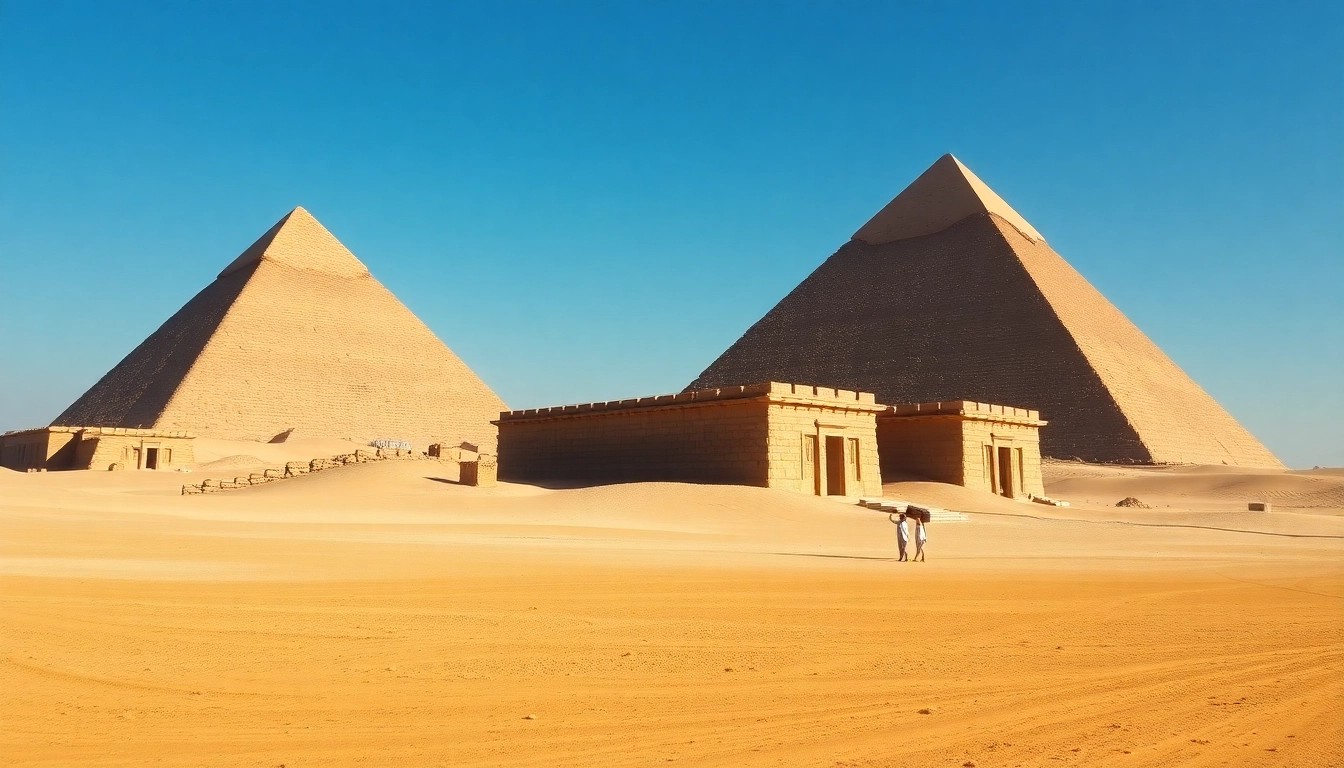
The Fascinating History of Piraminds
Origins and Construction
The piraminds stand as monumental testimonies from ancient civilizations, their construction stretching back thousands of years. The earliest builders, largely believed to be Egyptians, were motivated by religious beliefs surrounding the afterlife, leading them to create tombs that would elevate pharaohs to the heavens. The Great Pyramid of Giza, one of the most iconic structures, is estimated to have been built around 2580–2560 BCE and is the last remaining wonder of the ancient world.
The construction methods employed were signs of genius and precision, combining skilled labor with rudimentary tools and massive amounts of manpower. Large limestone blocks were quarried, transported, and assembled through techniques that remain subjects of debate among historians and archaeologists. While some believe they employed ramps, others attribute their success to ingenious systems of levers and counterweights, showcasing the innovation and engineering skills of ancient societies.
Architectural Innovations
The architectural design of piraminds reflects a remarkable understanding of geometry and spatial orientation. The layout of these pyramids often adhered to celestial alignments, leveraging their placement to reflect significant astronomical events. The use of the pyramidal shape was not merely functional; it symbolized the rays of the sun, presenting the pharaoh as a celestial being capable of ascending directly to the divine. The Great Pyramid, for instance, features a complex internal structure with passageways, chambers, and even air shafts, which display a sophisticated understanding of ventilation and ambiance within the burial chambers.
Moreover, the intricate carvings and hieroglyphs throughout these structures serve not only as burial rites or commemorations but also demonstrate advanced artistic techniques, merging the beauty of their craft with profound religious significance. The structural resilience of these piraminds, many of which have withstood millennia of environmental changes, highlights their builders’ expertise in materials and construction techniques.
Historical Context of Their Creation
The historical context surrounding the construction of piraminds is rich with intrigue. They were primarily built during the Old and Middle Kingdom periods of Ancient Egypt, when centralized governments and labor forces were capable of executing large-scale projects. This era marked significant advancements in agricultural practices, which allowed for more resources and labor to be allocated toward monumental constructions.
Additionally, the rise of papyrus writing documented the governance, religious beliefs, and societal values that influenced pyramid construction. Pharaohs utilized these structures as a means of asserting power and securing their legacy, reinforcing the concept of divine kingship within ancient Egyptian society. Their unique spatial orientation and positioning relative to the Nile River and surrounding structures reflect a sophisticated planning approach that intertwined worship, power, and community.
Exploring the Cultural Impact of Piraminds
Pyramids in Ancient Egyptian Society
Piraminds were pivotal to the socio-religious fabric of ancient Egyptian civilization. They represented more than mere tombs; they were focal points of worship, ceremonial sites, and reflections of a society deeply engulfed in afterlife beliefs. The construction of these structures inspired a unified labor force and reflected the pharaohs’ role in maintaining cosmic order.
Temples surrounding piraminds served as operational centers for rituals, where priests would conduct ceremonies believed to assist the deceased in the journey to the afterlife. This intertwining of architectural grandeur with spiritual significance illuminated the community’s values, illustrating not just what they built, but why they aspired to build such grand endeavors.
Symbolism and Religious Significance
The symbolism encapsulated within piraminds transcends their architectural form. They are imbued with profound religious meanings, particularly with concepts of resurrection and immortality. The pyramid shape itself signifies the rays of the sun fanning out, guiding the pharaoh’s spirit to the afterlife. This design was closely related to the sun god Ra, whose regeneration each day paralleled the rebirth of the pharaoh.
A wealth of artifacts found within pyramid complexes—jewels, ceremonial items, and hieroglyphic inscriptions—underscores their role in funerary practices. These elements offer insights into the belief systems of ancient Egyptians regarding life, death, and what lies beyond, reinforcing their place in cultural memory.
Recognition in Modern Culture
The cultural significance of piraminds continues to resonate in contemporary discourse, impacting literature, art, and tourism. They are a subject of fascination, portrayed in films, books, and documentaries that examine their mysteries and archaeological significance. Modern society often romanticizes these massive structures, reflecting a blend of awe and curiosity.
Furthermore, the ongoing exploration and study of piraminds contribute to sustainable tourism, where millions flock to experience the grandeur and mysteries first-hand. This cultural recognition places ethical responsibilities on local governments and organizations to balance preservation with public interest, ensuring that these historical monuments endure for future generations.
Modern Discoveries Related to Piraminds
Archaeological Findings
The field of archaeology has yielded fascinating discoveries concerning piraminds, revealing insights into their construction and the lives of those who built them. Recent excavations have uncovered hidden chambers, previously unknown artifacts, and even remnants of the workers who constructed these monumental structures.
Innovative technologies, such as non-invasive imaging techniques, have allowed researchers to investigate the internal structures of the pyramids without causing damage. These findings contribute significantly to our understanding of not only the pyramids themselves but also the socio-economic context of ancient Egypt, illustrating the intricate organization that sustained these vast undertakings.
Technological Advancements in Exploration
Technological advancements play a pivotal role in the study and exploration of piraminds. From 3D scanning to ground-penetrating radar, modern tools facilitate the mapping of previously unexplored areas and structures within the pyramidal complexes. These technological aids have shattered long-held assumptions, revealing complexities in construction methods and the socio-political contexts of their eras.
Additionally, augmented reality experiences and virtual reality tours enhance the public’s engagement with these ancient sites, enabling users to immerse themselves in the historical context, thereby encouraging a broader appreciation for the intricacies of ancient civilizations.
Pyramids and Sustainable Tourism
Sustainable tourism has emerged as a critical focus for sites housing piraminds, as they are not just archaeological wonders but also vital components of local economies. Initiatives aimed at promoting responsible tourism help mitigate the environmental and structural impacts that mass tourism can entail.
Supporting local communities through heritage tourism can create partnerships that emphasize preservation while allowing visitors to engage authentically with history. This balance between economic benefit and conservation is crucial in maintaining the integrity of piraminds and surrounding ecosystems.
Addressing Common Myths About Piraminds
Debunking Construction Techniques
Numerous myths surround the construction of piraminds, particularly regarding the labor force and techniques used. Contrary to popular belief, the pyramids were not built by slaves but rather by a workforce of skilled laborers who were well-fed and respected for their efforts.
Archaeological evidence supports this: villages for laborers have been discovered, containing housing and amenities indicative of paid work. Theories surrounding the use of ramps or sophisticated lever systems also persist, showcasing the ingenuity of ancient Egyptians in overcoming significant engineering challenges.
Understanding the Purpose of Piraminds
The predominant misconception about piraminds revolves around their sole function as tombs. While this is true, their purpose also extended into the realms of religious observance and as symbols of state power. They were integrated into larger complexes that included temples and other burial sites, emphasizing their multifunctional role in ancient society.
Moreover, they served as a connection between the earth and the divine, embodying the belief that pharaohs would journey to the afterlife and continue to influence the living from their celestial resting places.
Misconceptions in Popular Media
Popular media has perpetuated various misconceptions about piraminds, particularly relating to their construction and purpose. Films often depict them as solitary structures birthed from alien technology, propelled by overly simplistic narratives that neglect the rich cultural contexts.
Such portrayals disregard the immense human ingenuity and craftsmanship involved in their construction. A more nuanced understanding appreciates the complex interplay of spirituality, statecraft, and communal effort that shaped these incredible monuments.
Future Research Directions and Studies
Current Research on Piraminds
Current research into piraminds encompasses a wide array of disciplines, from archaeology to engineering and anthropology. Scholars are increasingly employing interdisciplinary approaches to examine not just the structures themselves but the societies that constructed them.
Expanding studies into areas such as climate impact on the construction and preservation of piraminds or genetic studies of laborer descendants will provide deeper insights into the lives of ancient Egyptians and their achievements.
Implications for Archaeology and Egyptology
The implications of ongoing research cannot be overstated, as they resonate not only within academia but also with the global public. Findings from contemporary research have the potential to reshape our understanding of ancient civilizations, offering new frameworks to analyze power dynamics, religious beliefs, and technological advancements.
Collaborations between archaeologists and local communities are increasingly important, ensuring that the information gathered is contextualized and preserved for both scholarly analysis and cultural heritage.
Future Preservation Efforts
Preservation of piraminds is essential not only for historical integrity but also for cultural identity. Initiatives focused on conservation, restoration, and sustainable practices must continue to evolve in response to environmental changes and instances of degradation caused by tourism.
Community engagement in these endeavors ensures that local populations take ownership of their heritage, fostering a commitment to protect what is rightfully part of their cultural narrative. Future research will continue to aid preservation efforts through technology and innovative methodologies.
Frequently Asked Questions
What are piraminds primarily used for?
Piraminds served primarily as tombs for pharaohs and important figures, reflecting their beliefs in the afterlife and religious practices.
How did ancient Egyptians build the piraminds?
Ancient Egyptians used a combination of skilled labor, simple tools, and ingenious engineering techniques, including ramps to transport heavy stones.
Why do piraminds have a specific shape?
The pyramid shape symbolizes the rays of the sun and represents the ascension of the pharaohs towards the divine, reflecting their spiritual beliefs.
What ongoing research is being conducted on piraminds?
Research focuses on archaeological findings, construction methods, and the socio-economic context of ancient Egypt to deepen understanding and preservation.
Are there any myths about piraminds?
Yes, many myths exist, particularly regarding their construction by slaves, which has been debunked by archaeological evidence showing skilled laborers at work.