
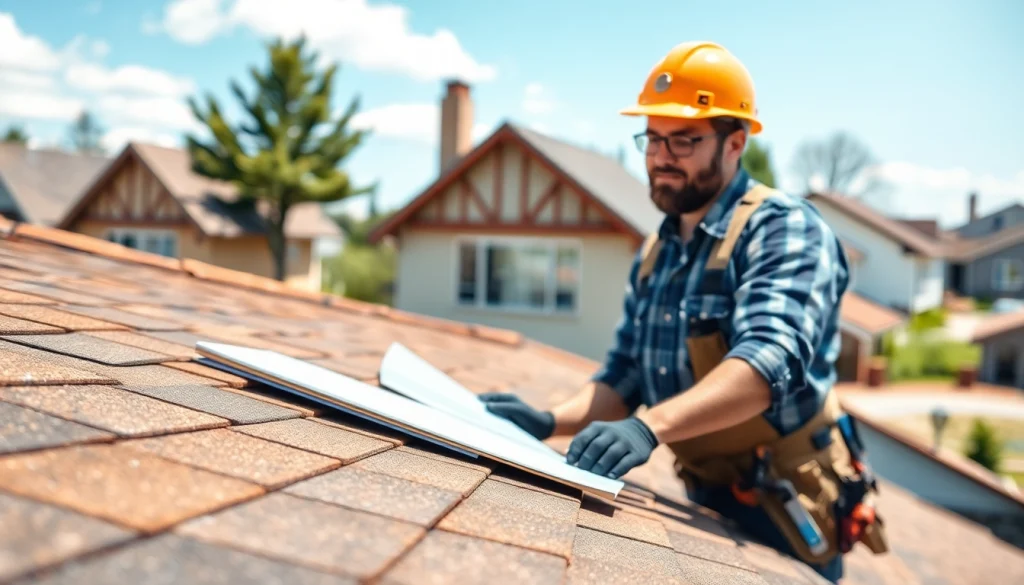
Understanding Professional Roofing Services
What Are Professional Roofing Services?
Professional roofing services encompass a variety of specialized practices aimed at ensuring the safety, durability, and aesthetics of a building’s roof. These services can include installation, repair, maintenance, and inspections of various roofing types. Hiring skilled professionals ensures that the materials used are appropriate for the specific climate and structure, offering peace of mind for homeowners and businesses alike. For customers looking for reliable help, Professional roofing services are essential in maintaining the integrity of any property.
Key Benefits of Professional Roofing Services
Investing in professional roofing services provides several advantages:
- Quality Workmanship: Experienced contractors are trained to handle various roofing challenges, ensuring a high-quality finish.
- Safety: Roofing can be dangerous; professionals equip themselves with safety gear and training to minimize risks.
- Time Efficiency: Experienced crews complete jobs more quickly and efficiently than inexperienced personnel.
- Access to Quality Materials: Professionals have connections with suppliers, which can lead to better rates on high-quality materials.
- Long-Term Savings: A well-installed roof reduces the risk of future leaks and damage, which can lead to costly repairs.
When to Consider Professional Roofing Services
Homeowners should consider professional roofing services under various circumstances:
- New Home Construction: When building a new property, it’s crucial to get professional input on roofing choices and installations.
- Visible Damage: Signs of damage, such as leaks or missing shingles, indicate the need for professional assessment.
- Restoration Projects: When renovating or restoring a property, the roof’s condition should be evaluated and possibly updated.
- Routine Maintenance: Engage professionals for regular inspections to address potential issues before they become serious problems.
Types of Roofing Services Available
Residential Roofing Services Explained
Residential roofing services cater specifically to homes. These services encompass everything from new roof installations to routine maintenance and emergency repairs. Homeowners can choose various roofing materials, including asphalt shingles, metal, tiles, and more, depending on aesthetic preferences and the climate. Understanding the nuances of these materials can help in selecting the right fit for your home.
Commercial Roofing Services Overview
Commercial roofing services differ in complexity and materials from residential services. They often involve flat or low-slope roofs and utilize materials suited for durability and resistance to weather, such as TPO, EPDM, and built-up roofing. Commercial roofs often require specialized knowledge to ensure compliance with building codes and regulations, making professional services crucial for businesses.
Roof Repair vs. Replacement Services
Determining whether to repair or replace a roof can be a daunting decision. Factors to consider include the age of the roof, extent of the damage, and the overall condition of the structure:
- Roof Repair: Generally, repairs are suitable for minor issues, including small leaks and missing shingles.
- Roof Replacement: If the roof is significantly aged or has widespread damage, replacement may be more cost-effective than frequent repairs.
Choosing the Right Roofing Contractor
Factors to Consider When Selecting a Contractor
When selecting a roofing contractor, consider the following factors:
- Local Reputation: Research local contractors, read reviews, and ask for recommendations from friends or family.
- Experience: Choose a contractor with a proven track record in handling similar roofing projects.
- License and Insurance: Ensure the contractor has the necessary licenses and insurance to protect yourself and your property.
- Warranty: Look for contractors who provide warranties on their work, signifying confidence in their services.
Assessing Credentials and Experience
A contractor’s credentials and experience are crucial for determining their expertise. Check their licensing status through local authorities, and look for certifications from roofing material manufacturers. These certifications indicate that the contractor has undergone special training and adheres to industry standards.
Questions to Ask Potential Contractors
During your selection process, consider asking potential contractors the following questions:
- What types of roofing materials do you recommend for my specific needs?
- Can you provide referrals from past clients?
- What is your timeline for project completion?
- How do you handle unexpected costs during the project?
- Do you perform your work, or do you subcontract it?
Estimating Costs for Roofing Services
Understanding Factors Influencing Roofing Costs
Several factors will influence the overall cost of roofing services:
- Roofing Material: The choice of roofing material significantly affects cost; high-quality materials usually come with a higher price tag.
- Roof Size: Larger roofs require more materials and labor, increasing overall costs.
- Location: Accessibility of the building and local labor costs will also impact pricing.
- Existing Roof Condition: If removal of old materials is necessary, costs will increase.
Common Pricing Structures
Roofing contractors typically use several pricing structures, including:
- Per Square Foot: Many contractors charge by the square foot of roof area.
- Flat Fee: Some may offer a flat fee for specific services, such as inspections or repairs.
- Material-Plus-Labor: This involves charging for the materials plus a percentage markup on labor.
How to Get Accurate Estimates
To ensure you receive accurate estimates for your roofing project, consider the following best practices:
- Invite multiple contractors to assess your roof and provide written estimates.
- Ensure each estimate includes a detailed breakdown of costs, materials, and labor.
- Ask questions about any discrepancies you notice between estimates to ensure transparency.
Maintaining Your Roof After Installation
Importance of Regular Roof Maintenance
Routine maintenance is critical to prolonging the lifespan of your roof and preventing costly repairs. This includes regular inspections, cleaning gutters, and promptly addressing minor issues before they escalate.
Signs That Your Roof Needs Repair
Being vigilant about your roof’s condition can save you from major problems. Common signs that repair is needed include:
- Visible sagging or drooping between the rafters.
- Water stains on ceilings or walls inside the building.
- Increased energy bills due to poor insulation.
- Missing or curling shingles visible from the ground.
How to Schedule Routine Inspections
Scheduling routine inspections with a professional can help maintain the roof. It’s advisable to conduct inspections at least twice a year, preferably in spring and fall, and after major weather events. Keep a maintenance log to track inspections and repairs performed to ensure timely intervention when necessary.
Frequently Asked Questions
What should I look for in a roofing contract?
Ensure the contract includes a detailed scope of work, a timeline, payment terms, warranty details, and provisions for unexpected costs.
How long will my new roof last?
The lifespan of a roof depends on materials used; asphalt shingles generally last 15-30 years, while metal or tile can last 50 years or longer with proper maintenance.
Is roofing a DIY project?
While minor repairs may be attempted, roofing is best left to professionals due to safety risks and the need for technical knowledge regarding materials and installation.
How often should I have my roof inspected?
It is recommended to have your roof inspected at least twice a year, ideally in spring and fall, and after severe weather events to catch potential issues early.
Can roof repairs be covered by insurance?
Many home insurance policies cover roof repair costs, especially if the damage is due to covered perils. Check with your insurer for details about your specific policy.