
What is Logistics? An Overview of Key Concepts
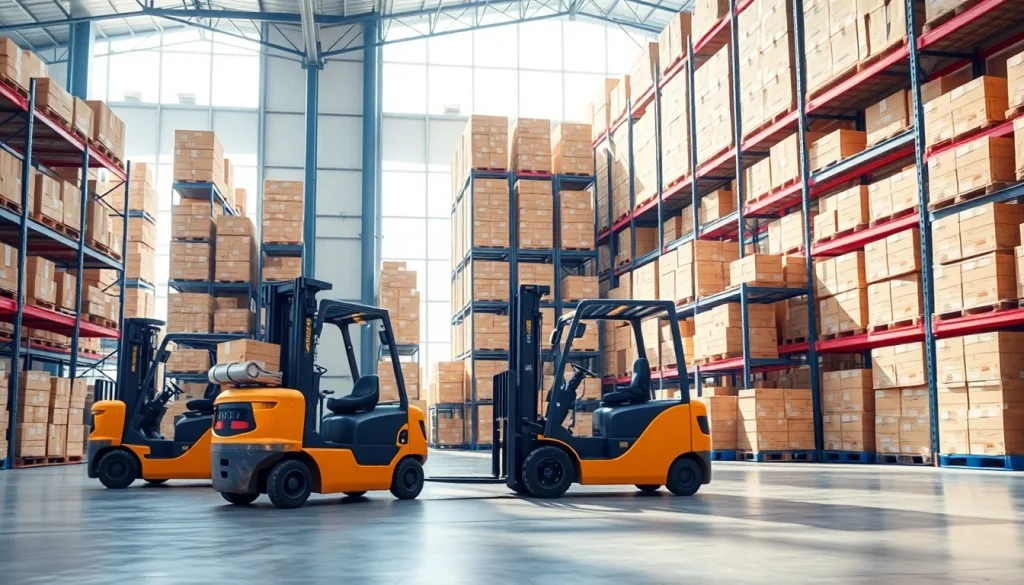
Logistics is a crucial element of supply chain management that concerns the efficient movement and storage of goods, services, and related information throughout a business’s operations. This term encompasses various operational aspects that ensure that manufacturers, retailers, and service providers can deliver their products in a timely manner. The significance of logistics cannot be overstated; effective logistics practices enable businesses to enhance their operational efficiency while maintaining customer satisfaction. For a foundational understanding, you can explore more about Logistics and its operational nuances.
Definition of Logistics
At its core, logistics as a concept focuses on the planning, implementation, and control of the flow and storage of goods, services, and information. According to the American Production and Inventory Control Society (APICS), logistics involves several critical activities, including transportation, warehousing, inventory management, and order fulfillment. It is not just about the physical movement of items but also encompasses the entire supply chain process, from the acquisition of raw materials to the delivery of the final product to the customer.
Types of Logistics in Supply Chains
The logistics field can be divided into various types, each serving a unique purpose and function:
- Inbound Logistics: This refers to the transporting, storing, and receiving of goods within a company. Effective inbound logistics ensures that the necessary materials are available for production when needed.
- Outbound Logistics: This involves the distribution of finished goods to customers. Outbound logistics manages the delivery and shipping of products to ensure they reach clients safely and on time.
- Third-party Logistics (3PL): Involves outsourcing logistics operations to a third-party company, allowing businesses to focus on their core competencies while experts handle the logistics aspect.
- Reverse Logistics: This is the process of moving goods from their typical final destination for the purpose of capturing value or proper disposal. This can include returns, refurbishments, and recycling.
- Military Logistics: A specialized area that deals with the support of military forces’ operations, including transportation and supply chain management in defense scenarios.
The Importance of Logistics in Business
In today’s competitive environment, the ability to deliver products and services promptly and efficiently can provide businesses with a significant advantage. Effective logistics management is not just about cost reductions; it is instrumental in building and maintaining customer relationships. Organizations that excel in their logistics processes can learn to anticipate customer demands, enhance service levels, and increase overall satisfaction. Additionally, logistics plays a vital role in improving operational efficiency, leading to reduced waste and improved profitability.
The Benefits of Efficient Logistics Management
Cost Reduction Strategies
One of the most compelling reasons for investing in logistics is the potential for cost reduction. Key strategies include:
- Optimizing Inventory Levels: Efficient inventory management reduces the carrying costs and minimizes the risk of overstock. Techniques like Just-In-Time (JIT) enable businesses to reduce inventory levels and related costs.
- Streamlining Transportation: By optimizing routes and consolidating shipments, companies can significantly cut transportation costs and enhance delivery speeds.
- Negotiate with Suppliers: Building good relationships with suppliers can result in better pricing strategies and discounts based on volume purchases.
Enhancing Customer Satisfaction
Logistics directly impacts customer satisfaction as it influences how quickly and accurately products are delivered. By focusing on:
- Timely Deliveries: Ensuring that products reach customers on time builds trust and loyalty.
- Order Accuracy: Managing logistics effectively minimizes errors in shipments, enhancing customer trust in the business.
- Responsive Communication: Good logistics management includes actively communicating with customers about their order status, which increases transparency and trust.
Competitive Advantages through Logistics
Businesses that invest in efficient logistics often see substantial competitive advantages such as:
- Scalability: As a business grows, an efficient logistics system can quickly adapt to additional demands.
- Market Domination: Companies that manage to control their supply chains effectively can often outperform competitors on pricing, delivery speed, and customer service.
- Better Resource Management: Streamlined logistics result in lower operational costs, allowing businesses to invest more in other growth strategies.
Common Challenges in Logistics Operations
Supply Chain Disruptions
Unforeseen disruptions can seriously impact logistics operations. Factors such as natural disasters, strikes, or geopolitical events can hamper the movement of goods. Companies can mitigate these risks by building flexible supply chains that can adapt to changes quickly. Additionally, maintaining strong relationships with multiple suppliers can reduce reliance on a single source.
Managing Costs and Resources
Continually managing costs while balancing resource allocations is another challenge in logistics. Through implementing cost-management strategies and software solutions, businesses can gain real-time visibility into their logistics operations, enabling better decision-making regarding resource allocation.
Technological Integration in Logistics
The rapid pace of technological advancement presents both opportunities and challenges in logistics. While incorporating technologies such as automation and AI can significantly improve efficiency, businesses often face hurdles when adapting legacy systems to new technologies. To successfully integrate technology into logistics, consider conducting thorough assessments of existing processes, investing in training for employees, and piloting new technologies before company-wide implementation.
Best Practices for Effective Logistics Management
Streamlining Processes and Operations
To promote efficiency, companies must continuously identify areas for process improvement. Some best practices include:
- Utilizing Lean Principles: Lean logistics focuses on eliminating waste and maximizing value in logistics processes.
- Standardizing Operations: Ensuring that common processes are standardized across the organization can significantly enhance efficiency.
- Encouraging Collaboration: Cross-departmental collaboration ensures that logistics is aligned with other departments, enhancing overall performance.
Utilizing Technology in Logistics
The adoption of technology in logistics can lead to improved tracking, real-time communication, and data analytics. Effective use of tools includes:
- Warehouse Management Systems (WMS): These systems enhance inventory management and order processing.
- Transportation Management Systems (TMS): TMS solutions facilitate planning, execution, and optimization of the physical movement of goods.
- Automation: Incorporating automation into routine tasks can save time and reduce errors in logistics processes.
Measuring Success: Key Performance Indicators
To effectively measure logistics performance, organizations should define and monitor specific Key Performance Indicators (KPIs). Common KPIs include:
- Order Fulfillment Cycle Time: Measures the efficiency of the order processing system.
- Transportation Costs: Understanding transportation costs per unit can help identify opportunities for improvement.
- Inventory Turns: The rate at which inventory is sold and replaced can provide insights into inventory management effectiveness.
Future Trends Impacting the Logistics Industry
The Role of Automation and AI
Automation and artificial intelligence (AI) are set to revolutionize logistics by increasing efficiency, improving accuracy, and decreasing costs. Tasks like inventory management and predictive analytics are increasingly being automated, allowing staff to focus on strategic initiatives. As these technologies evolve, logistics professionals need to stay informed and adapt their practices accordingly.
Green Logistics: Sustainability Practices
With growing awareness of environmental issues, green logistics has gained importance. Companies can adopt sustainability practices such as:
- Reducing Energy Consumption: Utilizing energy-efficient transportation options and warehouse operations can significantly lower the carbon footprint.
- Improving Packaging: Sustainable packaging solutions not only benefit the environment but can also reduce shipping costs.
- Optimizing Transportation Routes: Better route planning can minimize fuel costs and emissions, contributing to a greener operation.
Globalization and Its Effect on Logistics
Globalization has expanded market opportunities for businesses but has also added complexity to logistics operations. Companies are now required to navigate different regulatory environments, tariffs, and customs requirements. Businesses must foster global partnerships and enhance their understanding of international logistics to mitigate challenges associated with globalization.