
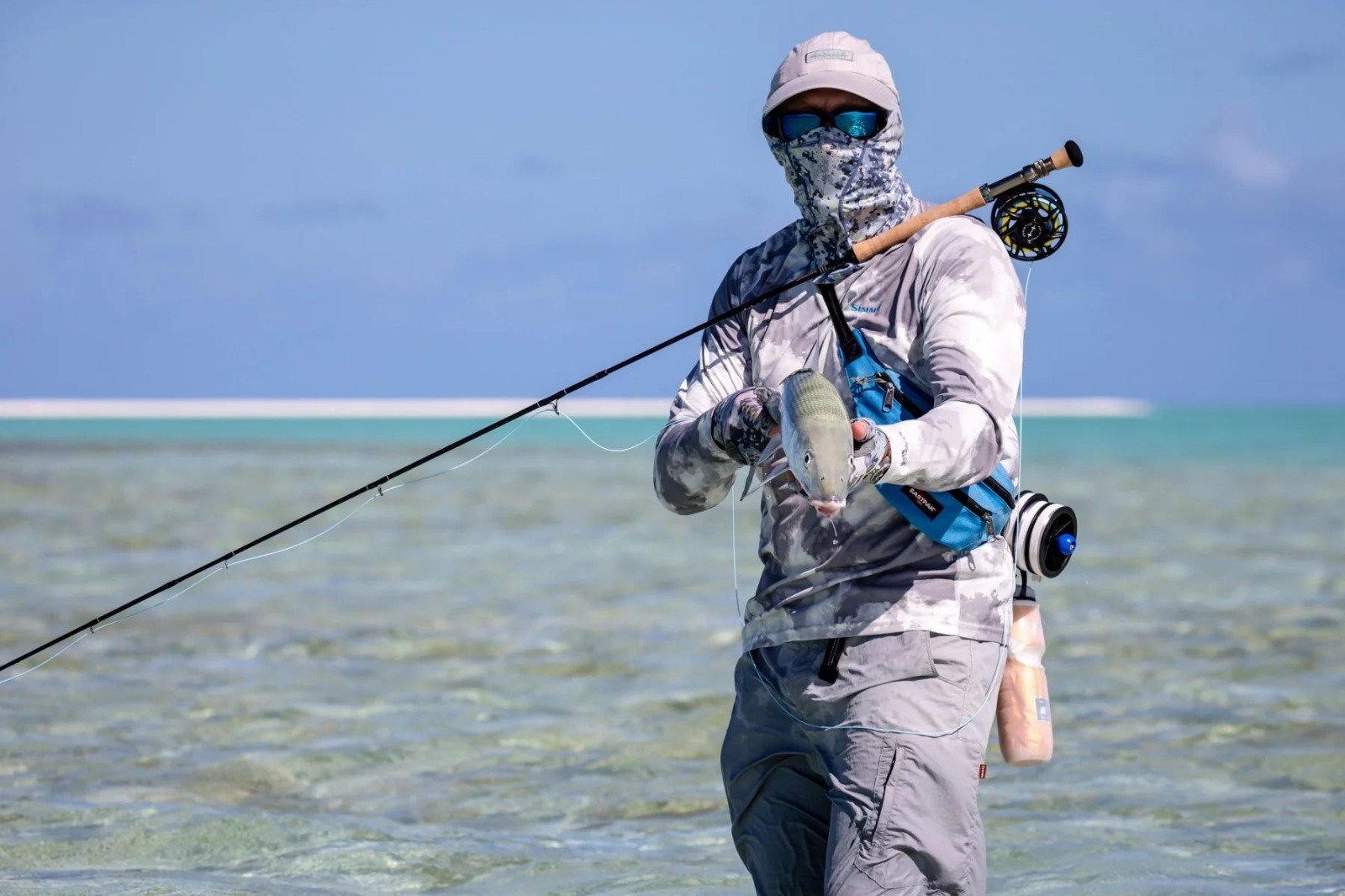
Saltwater angling offers some of the most thrilling, fast-paced, and visually stunning experiences in the fly fishing world. But along with the excitement comes a steep learning curve, even for seasoned freshwater anglers. Whether you’re chasing bonefish on the flats or pursuing powerful species offshore, avoiding common mistakes dramatically increases your success. At Fly Fishing Specialties, we want to help every angler elevate their game. That starts with understanding where things often go wrong in Saltwater fly fishing—and how to fix it.
- Underestimating the Demands of Saltwater Environments
- Poor Casting Technique in Saltwater Situations
- Using the Wrong Equipment
- Poor Line Management
- Incorrect Fly Presentation
- Not Paying Attention to Wind and Light
- Poor Hook-Setting Technique
- Not Being Stealthy Enough
- Ignoring Local Knowledge and Conditions
- Neglecting Physical Conditioning
- Failing to Practice Before the Trip
- Conclusion: Improve Your Success with Better Preparation
Underestimating the Demands of Saltwater Environments
Saltwater species behave differently, move faster, and require more precision than their freshwater counterparts. Many anglers enter these waters with incorrect assumptions that lead to frustration.
Misreading Fish Behavior
Understanding how fish feed, move, and react in various water conditions is essential. In saltwater fly fishing, species like redfish, snook, and tarpon respond quickly to movement and shadow. Approaching too quickly or casting into the wrong direction often spooks fish long before the fly lands.
Not Preparing for Harsh Conditions
Saltwater environments are corrosive. Without proper rinsing and gear care, equipment can quickly deteriorate. Saltwater fly fishing demands thoughtful preparation, frequent gear checks, and high-quality components built to withstand the elements.
Poor Casting Technique in Saltwater Situations
Even experienced trout anglers struggle when they transition to saltwater fly fishing. These fisheries require longer casts, tighter loops, and faster delivery.
Relying on Freshwater Muscle Memory
Saltwater situations often require casts of 60 feet or more, sometimes into heavy wind. Anglers used to short, delicate freshwater casts may find themselves missing quick shots at cruising fish. Saltwater fly fishing rewards efficient loading of the rod, double-hauling, and shooting line with accuracy.
Ignoring the Importance of Quick Delivery
Timing is everything. Opportunities in saltwater fly fishing appear and disappear in seconds. Hesitating, false casting repeatedly, or fumbling with line on the deck leads to missed fish. Practicing fast, decisive casting before your trip builds confidence and sharpens reaction times.
Using the Wrong Equipment
Saltwater gear needs to be strong, durable, and properly sized for local species. Using equipment meant for trout or bass often results in poor performance and lost fish.
Rod and Reel Mismatch
A mismatched rod and reel setup reduces casting power and retrieval control. In saltwater fly fishing, pairing an 8–12 weight rod with a sealed-drag reel ensures you can handle aggressive runs and harsh conditions.
Choosing the Wrong Fly Line
Saltwater fly fishing lines are built with stiffer coatings designed for tropical heat and long-distance casting. Using freshwater lines in hot climates quickly leads to line collapse and poor turnover. Always match your fly line to both your rod and conditions.
Poor Line Management
Line management is one of the most overlooked skills in saltwater fly fishing. Without it, even the perfect cast won’t produce results.
Tangled Line on the Deck
Loose loops, tangled coils, or line caught under boots can ruin a shot. Keeping line neatly staged and checking it often avoids missed opportunities. Many anglers favor stripping baskets or soft, non-slip deck surfaces to prevent snags.
Holding Too Much Line in the Hand
Trying to control too much line can slow down your ability to shoot quickly. Saltwater fly fishing demands efficiency, and holding only what you need helps maintain control.
Incorrect Fly Presentation
Presentation matters just as much as fly pattern selection—sometimes more. The speed, direction, and landing of your fly influence whether a fish eats or turns away.
Casting Directly at the Fish
Casting directly onto a fish almost always spooks it. In saltwater fly fishing, placing the fly ahead of the fish’s path and allowing it to swim naturally into view creates a more convincing presentation.
Retrieving at the Wrong Speed
Different species react to different retrieval speeds. Bonefish prefer short, quick strips, while tarpon often respond to long, steady pulls. Understanding retrieval patterns improves your chances of a strike.
Not Paying Attention to Wind and Light
Environmental factors dramatically impact saltwater success. Good anglers adapt to changing conditions rather than fighting them.
Casting Into the Wind
Saltwater fly fishing often takes place in windy areas. Learning to use wind angles to your advantage—and adjusting your casting plane—helps maintain accurate placement. When the wind is too strong, sidearm or backhand casting can save the day.
Failing to Read Light Conditions
Fish visibility changes with sun angle, cloud cover, and water clarity. Polarized sunglasses are essential for spotting fish early and adjusting your approach.
Poor Hook-Setting Technique
A common error for freshwater anglers is using a traditional trout-set when saltwater fly fishing. This instinctual move rarely results in a solid hookup.
Lifting the Rod Instead of Strip-Setting
Saltwater species have tough mouths. Lifting the rod tip simply bounces the fly away. A firm, low strip-set drives the hook in cleanly. Practicing strip-setting ensures muscle memory kicks in when it matters most.
Breaking Off Fish with Too Much Force
While a strong strip-set is needed, applying too much pressure afterward can cause the line or leader to snap. Smooth pressure and proper reel drag settings protect your setup during long fights.
Not Being Stealthy Enough
Even large saltwater species are highly sensitive to movement, sound, and shadows. Stealth becomes critical in shallow or calm environments.
Wading Too Quickly
Charging across flats sends vibrations through the water. Successful saltwater fly fishing requires slow, deliberate wading that doesn’t disturb nearby fish.
Creating Boat Noise
Dropping gear, shifting weight too suddenly, or letting fly line slap the deck can alert fish and ruin a shot. Quiet, controlled movements help you stay undetected.
Ignoring Local Knowledge and Conditions
Saltwater fly fishing varies dramatically from region to region. What works in one area may fail in another.
Not Hiring a Guide
Local guides possess invaluable knowledge about tides, seasonal movements, and productive patterns. Even experienced anglers benefit from a day with a guide to shorten the learning curve.
Using the Wrong Flies
Saltwater species often key in on specific prey. Using flies that don’t match the local forage reduces your chances. Researching fly patterns ahead of time helps ensure you arrive prepared.
Neglecting Physical Conditioning
Saltwater fly fishing is physically demanding. Long casts, wading across flats, and fighting strong fish require stamina and strength.
Fatigue Leading to Poor Technique
Long days under the sun can cause fatigue, which then affects casting, decision-making, and reaction speed. Staying hydrated, wearing sun protection, and taking breaks improves overall performance.
Failing to Practice Before the Trip
Many mistakes stem from lack of preparation. Saltwater fly fishing rewards those who practice consistently.
Ignoring Pre-Trip Casting Drills
Practicing double-hauls, quick shots, and distance casting before your trip dramatically improves confidence and performance. Even 10 minutes a day helps develop muscle memory.
Conclusion: Improve Your Success with Better Preparation
Saltwater fly fishing offers unmatched excitement, but it also challenges anglers to refine their skills. By recognizing common mistakes—and actively working to avoid them—you can experience more productive days on the water. From mastering casting techniques to choosing the right gear and staying aware of environmental changes, every improvement adds up. At Fly Fishing Specialties, we’re committed to helping anglers grow and succeed. Apply these lessons, stay patient, and enjoy the rewards that come with becoming a more accomplished saltwater angler.