
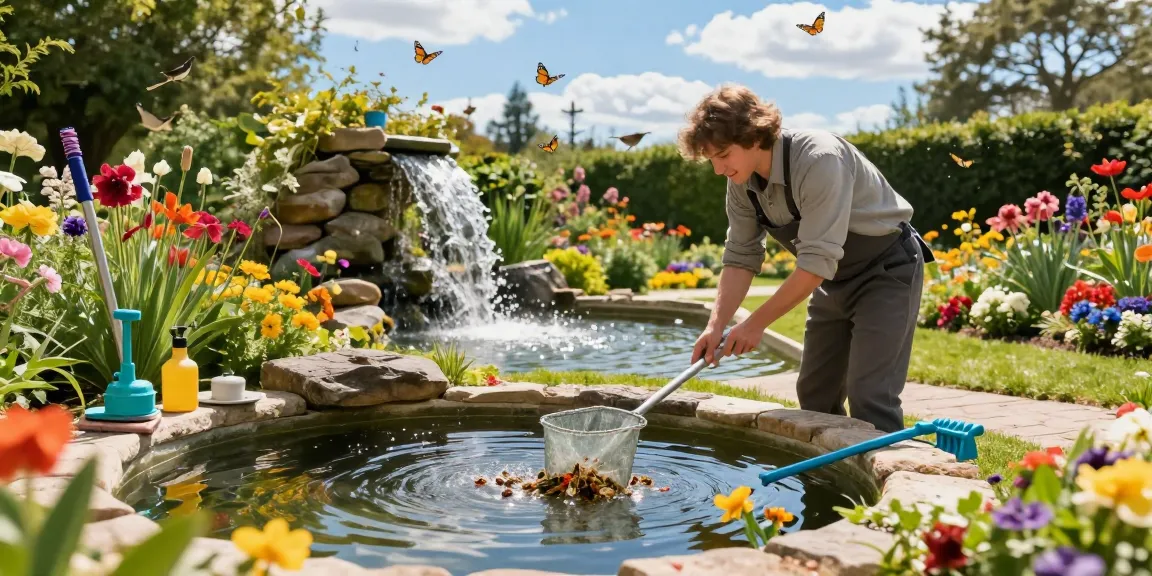
Understanding the Importance of Pond Cleaning
Pond cleaning is an essential aspect of maintaining a vibrant and healthy aquatic ecosystem. Many pond owners might underestimate the significance of regular maintenance, but neglecting this vital task can lead to a multitude of issues. Proper pond care not only enhances the aesthetic appeal of your outdoor space but also ensures the well-being of its inhabitants. For those in Sussex seeking reliable services, Pond Clean Sussex offers comprehensive insights into effective pond maintenance.
Why Regular Maintenance Matters for Your Pond
Regular pond maintenance is crucial for several reasons. Firstly, it helps to prevent the buildup of organic debris, which can lead to conditions that are harmful to aquatic life. Algal blooms, for example, flourish in stagnant water rich in nutrients, potentially suffocating fish and other aquatic organisms. Secondly, clean ponds provide a clear habitat for aquatic plants, which contribute to the overall balance of the ecosystem. Finally, a well-maintained pond is far more enjoyable for recreational activities, boosting the overall quality of life for residents who cherish their gardens.
Common Issues Caused by Neglect
Neglecting pond maintenance can result in several issues that are not only detrimental to the pond itself but also to the surrounding landscape. Some common problems include:
- Algae Overgrowth: Excessive algae can block sunlight and deplete oxygen levels, harming fish and aquatic plants.
- Poor Water Quality: Accumulated debris can lead to stagnant water, fostering pathogens that affect fish health.
- Unpleasant Odors: Decaying organic matter can produce foul smells, detracting from the pleasure of your garden.
- Safety Hazards: A neglected pond can become a breeding ground for mosquitoes and other pests, posing health risks to humans and pets.
The Benefits of Professional Pond Cleaning Services
Leveraging the expertise of professional pond cleaning services can dramatically enhance the health of your pond. These specialists bring the right tools and knowledge to ensure thorough cleaning and maintenance. Benefits include:
- Expertise: Knowledgeable professionals can identify specific issues and apply effective solutions.
- Time-Saving: Outsourcing the cleaning process allows pond owners to focus on enjoying their outdoor space.
- Advanced Equipment: Professionals use specialized tools that may be beyond the scope of DIY methods.
- Long-Term Care Plans: Regular service agreements can help maintain optimal pond conditions throughout the seasons.
Key Techniques for Effective Pond Cleaning
Implementing structured techniques for pond cleaning ensures optimal results. Following proven steps not only enhances efficiency but also minimizes disruption to the pond’s ecosystem. Below are some key techniques that can be employed during the cleaning process.
Step-by-Step Guide to Cleaning Your Pond
- Preparation: Remove any debris such as leaves and fallen branches using a net or rake.
- Drain Water: Depending on the size of the pond, partially or fully drain the water. Ensure that fish are safely transported to temporary holding tanks.
- Clean the Bottom: Use a pond vacuum to remove sludge and detritus that has accumulated on the pond bottom.
- Inspect Plants: Remove dead or dying plants, and check the health of aquatic flora before reintroducing them.
- Refill and Treat Water: Refill the pond with fresh water and, if necessary, treat it for any chemicals or contaminants.
- Reintroduce Fish: Once conditions are stable, carefully reintroduce the fish back into the pond.
Tools and Equipment You Need for Successful Cleaning
Having the right tools is essential for effective pond cleaning. Here is a list of recommended equipment:
- Pond Vacuum
- Rake and Net
- Water Pump
- Algae Scrubber
- Water Testing Kit
- Protective Gloves and Boots
Eco-Friendly Practices for Sustainable Pond Care
Incorporating eco-friendly practices into your pond cleaning routine is vital for sustaining a healthy ecosystem. Here are some practices to consider:
- Natural Algae Treatments: Use biological enzymes or beneficial bacteria to control algae growth without harmful chemicals.
- Compost Organic Waste: Instead of disposing of waste, compost it to create nutrient-rich soil.
- Native Plants: Introduce native aquatic plants that are adapted to local conditions and can help balance the ecosystem.
Pond Cleaning in Sussex: Local Insights
Pond cleaning in Sussex comes with its unique set of challenges, as local climate and environmental considerations significantly impact pond care. Understanding these local factors is crucial for effective maintenance.
Understanding the Unique Challenges of Sussex Ponds
Sussex ponds often face specific environmental challenges, such as seasonal changes in temperature and rainfall. Eutrophication, driven by runoff containing fertilizers, can lead to nutrient overload in ponds. Furthermore, local wildlife interactions can also introduce invasive species, which complicate pond ecology. Being aware of regional issues helps in devising targeted maintenance strategies.
Seasonal Considerations for Pond Cleaning
Seasonal changes greatly influence the maintenance schedule for ponds. Here are some considerations:
- Spring: Ideal time for cleaning and inspections as the weather warms, allowing for plant growth.
- Summer: Focus on algae management and ensuring oxygen levels remain stable.
- Autumn: Clear fallen leaves to prevent decay and nutrient buildup; it’s also a time for plant assessments.
- Winter: Minimal intervention needed, but monitoring for ice formation is important for aquatic life.
Local Regulations and Environmental Considerations
In Sussex, certain regulations govern pond maintenance, especially regarding native wildlife and water quality. Familiarizing yourself with these regulations ensures compliance and promotes sustainable practices. For example, it may be necessary to obtain permits for large-scale cleaning or alterations to pond structures.
Best Practices for Maintaining a Healthy Pond
Maintaining a healthy pond requires ongoing care and adherence to best practices. Implementing these strategies can safeguard the ecological balance of your pond.
Tips for Preventing Algae Growth
- Monitor nutrient levels and avoid excessive fertilization in surrounding gardens.
- Ensure proper aeration to promote water circulation.
- Incorporate floating plants that provide shade and reduce sunlight penetration.
Enhancing Biodiversity in Your Pond Ecosystem
A healthy pond is one that supports diverse forms of life. Encouraging biodiversity can involve:
- Planting a variety of native aquatic plants that support different species.
- Creating habitats with rocks and logs for amphibians and invertebrates.
- Providing nesting areas for birds and beneficial insects.
Regular Inspection and Ongoing Care Strategies
Regular inspections are key to preventing problems before they escalate. Schedule seasonal checks to assess water quality, plant health, and overall pond stability. Keeping a maintenance log can help track changes and improvements over time.
Future Trends in Pond Care and Maintenance
As we move toward 2026, the field of pond care is likely to evolve significantly. Keeping abreast of these trends can help pond owners adapt and embrace innovative practices.
Innovative Technologies for Efficient Pond Cleaning
Emerging technologies such as automated pond cleaners and water quality monitoring sensors are set to revolutionize pond maintenance. These tools can provide real-time data on water parameters, enabling proactive management and intervention.
How Climate Change Affects Pond Ecosystems
Climate change poses a significant threat to pond ecosystems. Increased rainfall and fluctuating temperatures can alter water levels and introduce pollutants. Understanding these impacts can aid in developing adaptive management strategies to preserve water quality.
Predictions for Pond Care in 2026 and Beyond
By 2026, we can expect more emphasis on eco-friendly and sustainable practices in pond care. Community-based initiatives may also rise, encouraging collective efforts in managing local water bodies effectively. Furthermore, education around biodiversity and habitat protection is anticipated to become integral to pond care practices.
What Are the Benefits of Regular Pond Maintenance?
Regular pond maintenance ensures a balanced ecosystem, reduces the need for costly repairs, and enhances the aesthetic appeal of your property, making it a wise investment for owners.
How Often Should You Clean Your Pond?
The frequency of pond cleaning depends on several factors, including the size of the pond, the number of fish, and surrounding vegetation. Typically, a thorough cleaning is recommended at least once or twice a year.
Can I Clean My Pond Without Professional Help?
While it’s possible to clean your pond yourself, especially if it’s smaller, professional services can provide the expertise and equipment necessary for a thorough job, leading to better outcomes.
What Are Common Mistakes in Pond Care?
Common mistakes include overfeeding fish, ignoring water quality, and using harmful chemicals. Being aware of these pitfalls can help you avoid detrimental effects on your pond ecosystem.
How to Choose the Right Pond Cleaning Service?
When selecting a pond cleaning service, consider factors such as experience, customer reviews, and the range of services offered. Ensure the company adheres to eco-friendly practices.

