
- Understanding Water Lilies: Types and Characteristics
- Creating the Perfect Environment for Water Lilies
- Planting and Care Techniques for Water Lilies
- Seasonal Care for Water Lilies: What You Need to Know
- Trends and Innovations in Water Lily Gardening for 2026
- Frequently Asked Questions about Water Lilies
Understanding Water Lilies: Types and Characteristics
Water lilies are more than just beautiful additions to your garden; they play a critical role in aquatic ecosystems. These captivating plants are members of the Nymphaeaceae family and are renowned for their stunning blooms and floating leaves. With a variety of species and hybrids available, Water Lilies have become favorites among pond enthusiasts and gardeners alike. This article delves into their characteristics, care, and the best practices for integrating them into your garden.
What are Water Lilies?
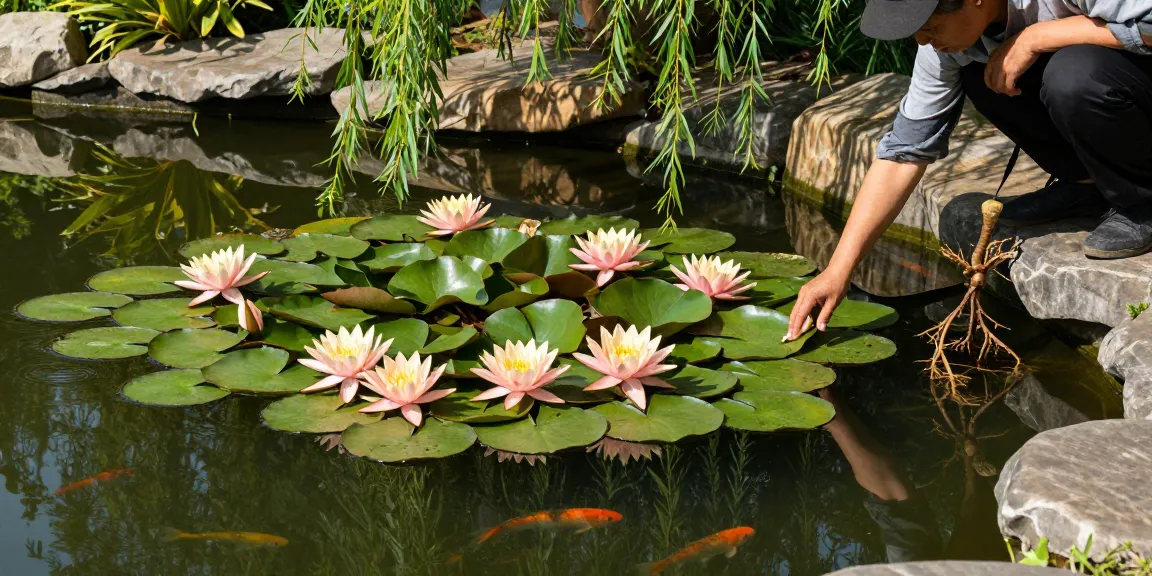
Water lilies are perennial aquatic plants that thrive in freshwater environments. They feature broad, circular leaves that float on the water’s surface, and they bloom during warmer months, producing flowers that can range in color from white to pink, yellow, and blue. These plants are not only visually appealing but also serve vital ecological functions, such as providing shade and habitat for fish and other aquatic life.
Different Varieties of Water Lilies
There are two main types of water lilies: hardy and tropical. Hardy water lilies, such as the Nymphaea odorata, can survive in cooler climates and typically bloom in the spring and summer. Tropical varieties, like the Nymphaea stellata, require warmer temperatures and may not tolerate frost, but they often produce larger and more colorful flowers throughout the growing season. Understanding the specific needs and characteristics of each variety is crucial for success in water lily gardening.
Water Lilies vs. Other Pond Plants
While water lilies are a popular choice for aquatic gardens, they differ significantly from other pond plants. For instance, unlike cattails or rushes, which grow vertically and thrive in shallower waters, water lilies prefer deeper settings where their roots can anchor. Their broad leaves and stunning flowers not only beautify the pond but also help control algae by providing shade and reducing sunlight penetration.
Creating the Perfect Environment for Water Lilies
To cultivate thriving water lilies, it’s essential to create an ideal environment that supports their growth. This includes considering the right location, water quality, and preparation of your pond.
Choosing the Right Pond Location
When selecting a site for your water lilies, opt for a spot that receives at least 6-8 hours of sunlight daily, as this is critical for optimal blooming. Additionally, consider the pond’s depth—most water lilies flourish in depths ranging from 12 to 36 inches, depending on their variety. If your pond is too shallow, it may lead to root exposure, while excessive depth can hinder growth.
Water Quality and Temperature Considerations
The quality of the pond water significantly impacts the health of your water lilies. They prefer slightly acidic to neutral pH levels, ideally between 6.0 and 7.0. Regular testing can help maintain these conditions. Furthermore, water temperature is crucial; most varieties thrive in temperatures between 70°F and 90°F. Introducing temperature-regulating features, such as surface aeration, can enhance the growth environment.
Preparing Your Pond for Water Lilies
Before planting, ensure that your pond is free of debris and has suitable substrates for water lilies. A mixture of clay and loam can provide the necessary anchorage and nutrients. Additionally, adding nutrient-rich soil or aquatic plant fertilizer before planting can promote healthy growth and vibrant blooms.
Planting and Care Techniques for Water Lilies
Proper planting and maintenance techniques are vital for ensuring that your water lilies flourish in their aquatic environment. Understanding how to plant them correctly, along with routine care, can greatly enhance their performance.
Planting Water Lilies in Containers vs. Directly in the Pond
While some enthusiasts choose to plant water lilies directly in the pond, others prefer using containers. Planting in containers can help control growth and make it easier to manage the water lilies’ needs. If planting directly, ensure that the soil is substantial enough for the roots to thrive. For container planting, a heavy pot with drainage holes filled with the right substrate will suffice.
Water Lily Maintenance Tips and Frequency
Routine maintenance is fundamental to the health of your water lilies. Regularly remove any dead or decaying leaves to prevent disease and ensure proper water circulation. Additionally, fertilize your plants every few weeks during the growing season with a specialized aquatic fertilizer. Monitoring for nutrient levels in the water can also contribute to their overall well-being.
Common Pests and How to Manage Them
Despite their hardiness, water lilies can attract pests such as aphids, snails, and water lily beetles. To manage these nuisances, implement a monitoring system. Hand-picking pests and using organic insecticides when necessary can help maintain the health of your lilies without harming the aquatic ecosystem.
Seasonal Care for Water Lilies: What You Need to Know
Seasonal changes necessitate different care strategies for water lilies to thrive throughout the year.
Spring Preparation and Planting
As spring approaches, it’s time to prepare your pond. Remove any winter debris and check that your water lilies survived the winter months. If needed, replant or divide overgrown water lilies during this time for better growth in the warmer months.
Summer Growth and Blooming Tips
Summer is the blooming season for water lilies. Ensure they receive adequate sunlight, and manage algae growth that may compete with them for nutrients. Regularly check the health of leaves and flowers and maintain optimal water levels to avoid stress.
Preparing for Fall and Winter Care
As temperatures drop, it’s crucial to prepare your water lilies for winter. Hardy varieties can remain in the pond, while tropical varieties should be winterized indoors. Cut back any overgrowth and remove dead foliage to prevent disease and prepare for the next growing season.
Trends and Innovations in Water Lily Gardening for 2026
As gardening practices evolve, so do the methods used to cultivate water lilies. In 2026, several trends and innovations are emerging in the realm of aquatic gardening.
Emerging Techniques in Aquatic Gardening
New technologies, such as automated pond management systems, allow for better monitoring of water quality and temperature, helping hobbyists maintain ideal conditions for water lilies. Additionally, vertical gardening methods are being explored for maximizing space in smaller ponds.
Water Lilies and Eco-friendly Gardening Practices
More gardeners are adopting eco-friendly practices. Using natural fertilizers and organic pest control not only benefits water lilies but also enhances the overall pond ecosystem. Rainwater harvesting for pond filling is also gaining traction among environmentally conscious gardeners.
Future Outlook: Water Lilies in Aquascaping
As aquascaping becomes increasingly popular, water lilies are being integrated into artful designs that promote biodiversity and aesthetics in home water features. The combination of colors and shapes can transform an ordinary pond into a stunning visual display.
Frequently Asked Questions about Water Lilies
Are Water Lilies Easy to Grow?
Yes, water lilies are generally easy to grow when given the right conditions. They require minimal maintenance and can thrive in a variety of pond settings.
What is the Best Time to Plant Water Lilies?
The best time to plant water lilies is in the spring, once temperatures consistently remain above 50°F. This timing allows the plants to establish roots before the heat of summer.
How Deep Should Water Lilies Be Planted?
The depth at which water lilies should be planted varies by variety. Typically, they should be placed in 12-36 inches of water, depending on the species. Hardy water lilies can thrive in shallower waters, while tropical varieties often prefer deeper settings.
Can Water Lilies Grow in Shade?
While water lilies thrive in full sun, some varieties can tolerate partial shade. However, reduced sunlight exposure may result in fewer blooms and slower growth.
How to Prevent Algae in Water Lily Ponds?
Preventing algae growth involves balancing nutrient levels in the water and maintaining proper aeration. Regularly removing organic debris and providing adequate plant cover can help limit nutrient availability for algae growth.


